A visible six-pack comes down to three things: body fat low enough for your abs to show, a trained core, and time. In practice that means a steady calorie deficit, enough protein and regular strength training. Protein powder can make a protein target easier to hit and creatine carries an authorised claim, but no product burns belly fat.
What a six-pack actually takes
Everyone has abdominal muscles; whether you can see them depends mostly on how much fat covers them. How lean you need to be varies, and genetics affect where you store fat and the shape of your abs.
You can't choose where you lose fat from. Crunches train the muscle underneath, but the fat on top only comes off as your overall body fat falls. For most people that takes months, not weeks.
Diet: a steady calorie deficit
To lose body fat you need to take in less energy than you use, consistently. A modest deficit you can keep up for months beats a crash diet that leaves you too hungry and flat to train.
Build meals around the NHS Eatwell Guide: plenty of fruit and vegetables, wholegrain starchy foods, protein foods such as beans, fish, eggs and lean meat, and some dairy or alternatives. Keep foods high in fat, salt and sugar as occasional extras.
Keep protein up
"Protein contributes to the growth and maintenance of muscle mass." That second part, maintenance, is why protein matters when you're eating less.
The International Society of Sports Nutrition (ISSN) suggests 1.4–2.0g of protein per kg of body weight a day for most people who exercise, in servings of roughly 20–40g. It notes that trained lifters may need more during a calorie deficit (Jäger et al., 2017). Get most of it from food; a shake is a convenient way to fill the gap.
Training: build the core, keep lifting
Keep lifting two or three times a week so your body has a reason to hang on to muscle while you diet. Core work builds the abs themselves, and walking or other cardio adds to the energy you use. Interval training saves time, but it isn't a shortcut; pick cardio you'll keep doing.
A sample week of core training
| Day | Main session | Core work |
|---|---|---|
| Monday | Full-body strength | Plank 3 × 30–45s; dead bug 3 × 8 each side |
| Tuesday | Brisk walk or easy cardio, 30–45 min | None |
| Wednesday | Full-body strength | Hanging knee raise 3 × 8–12; side plank 3 × 20–30s each side |
| Thursday | Rest or a walk | None |
| Friday | Full-body strength | Cable crunch 3 × 10–15; Pallof press 3 × 10 each side |
| Saturday | Longer walk, bike ride or sport | Optional: plank 2 × 45s |
| Sunday | Rest | None |
Add seconds or reps as the targets get comfortable. If you're pregnant, have recently had a baby or have back pain, check with your GP or a physio before starting direct core work.
Where supplements fit, and where they don't
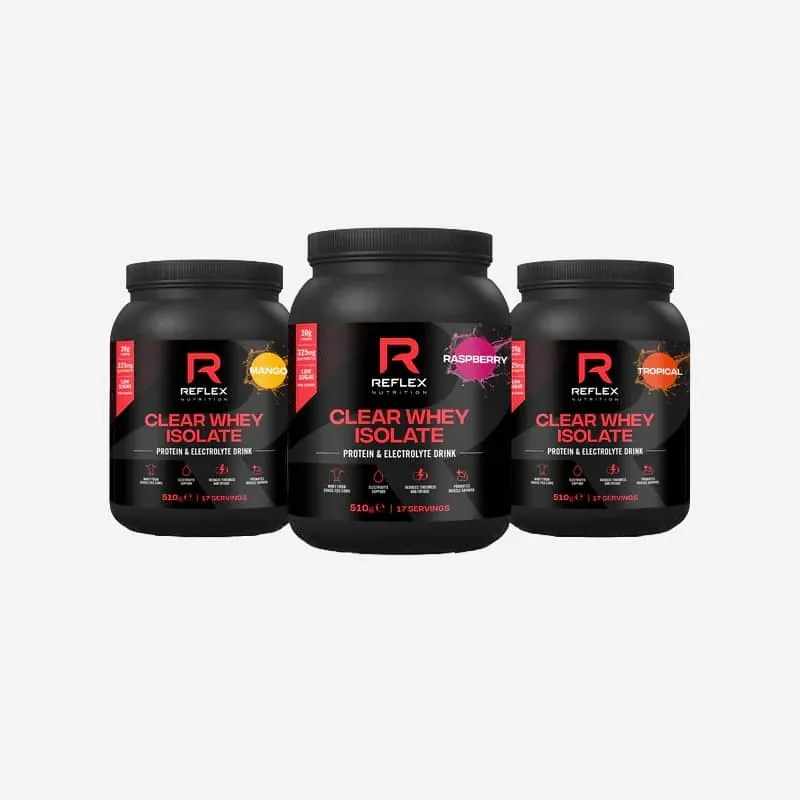
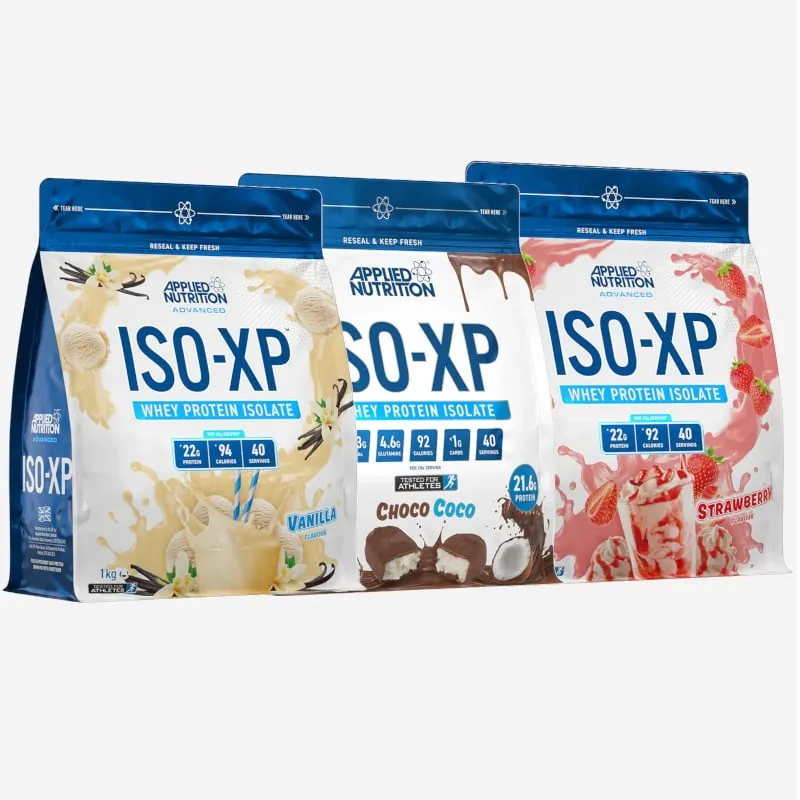
Protein powder. A whey isolate or clear whey is a simple way to top up protein between meals: food in a tub, not a fat-loss product. See our guide to choosing a protein powder.
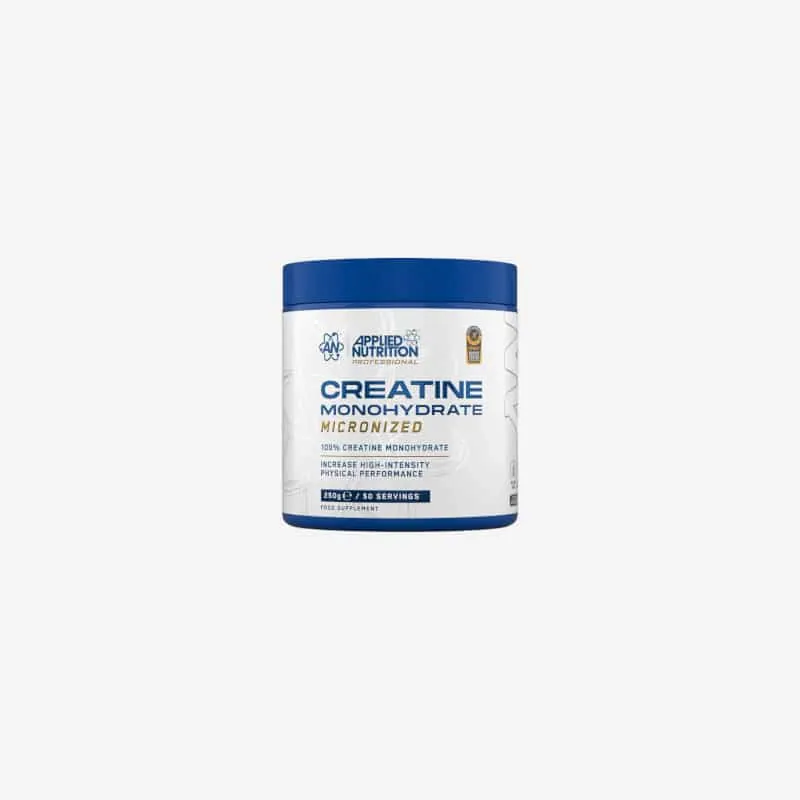
Creatine. "Creatine increases physical performance in successive bursts of short-term, high-intensity exercise." The effect is seen with a daily intake of 3g. Loading is optional: the ISSN describes 3g a day for 28 days as an alternative that raises muscle stores more gradually (Kreider et al., 2017). The side effect most often reported is a small weight gain, so don't panic if the scales nudge up.
Caffeine, used sensibly. Plenty of people like a coffee or pre-workout before training. Responses vary a lot between people, and caffeine later in the day can affect sleep (Guest et al., 2021). UK guidance is up to 400mg a day for healthy adults and 200mg a day in pregnancy, counting coffee, tea, energy drinks and pre-workouts together. Pre-workouts aren't suitable for under-18s.
Fat burners. No supplement burns belly fat or targets fat in one area; your calorie deficit does that work.
If you're pregnant or breastfeeding, take medication or have a medical condition, check with your GP or pharmacist before taking any supplement.
FAQs
How long does it take to get a six-pack?
It depends on your starting point, but plan in months rather than weeks. Progress photos and a tape measure tell you more than daily weigh-ins.
Do I need to train abs every day?
No. Two or three focused sessions a week is plenty for most people, alongside your main training.
Can I get abs without supplements?
Yes. Food, training, sleep and consistency do the work; supplements are optional extras.
Sources
- Jäger R, et al. (2017). International Society of Sports Nutrition Position Stand: protein and exercise. Journal of the International Society of Sports Nutrition, 14:20.
- Kreider RB, et al. (2017). International Society of Sports Nutrition position stand: safety and efficacy of creatine supplementation in exercise, sport, and medicine. JISSN, 14:18.
- Guest NS, et al. (2021). International Society of Sports Nutrition position stand: caffeine and exercise performance. JISSN, 18:1.
- EFSA Panel on Dietetic Products, Nutrition and Allergies (2015). Scientific Opinion on the safety of caffeine. EFSA Journal, 13(5):4102.
- Food Standards Agency: Caffeine guidance
- NHS: Water, drinks and your health / Eatwell Guide
- GOV.UK: Great Britain nutrition and health claims (NHC) register
Who wrote this
Michal Misiek at our Reading store.
Not medical advice
This guide is general information. Speak to your GP or pharmacist before taking supplements if you're pregnant, take medication or have a medical condition.