Start with food, then buy supplements that solve a specific problem. For most beginners that means a protein powder if you struggle to hit your protein target, creatine monohydrate, and vitamin D in autumn and winter, as the NHS advises. Everything else is optional.
1. Food first
Supplements top up a diet; they don't replace one. The NHS Eatwell Guide is a sensible base: fruit and vegetables, wholegrain starchy foods, protein foods, some dairy or alternatives, and plenty of fluids. If your meals are patchy, sort that out before you spend money on tubs.
2. Protein powder
"Protein contributes to the growth and maintenance of muscle mass." The ISSN suggests 1.4–2.0g of protein per kg of body weight a day for most people who exercise, in servings of roughly 20–40g (Jäger et al., 2017). More isn't always better: a 2018 analysis of 49 trials found no extra lean-mass gains from resistance training above total intakes of about 1.6g per kg a day (Morton et al., 2018).
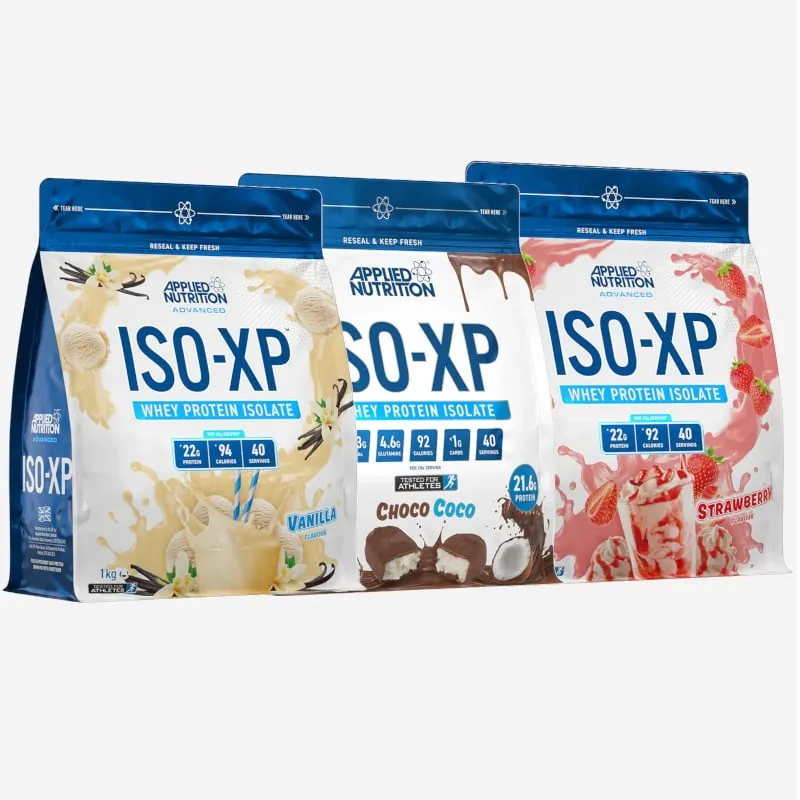
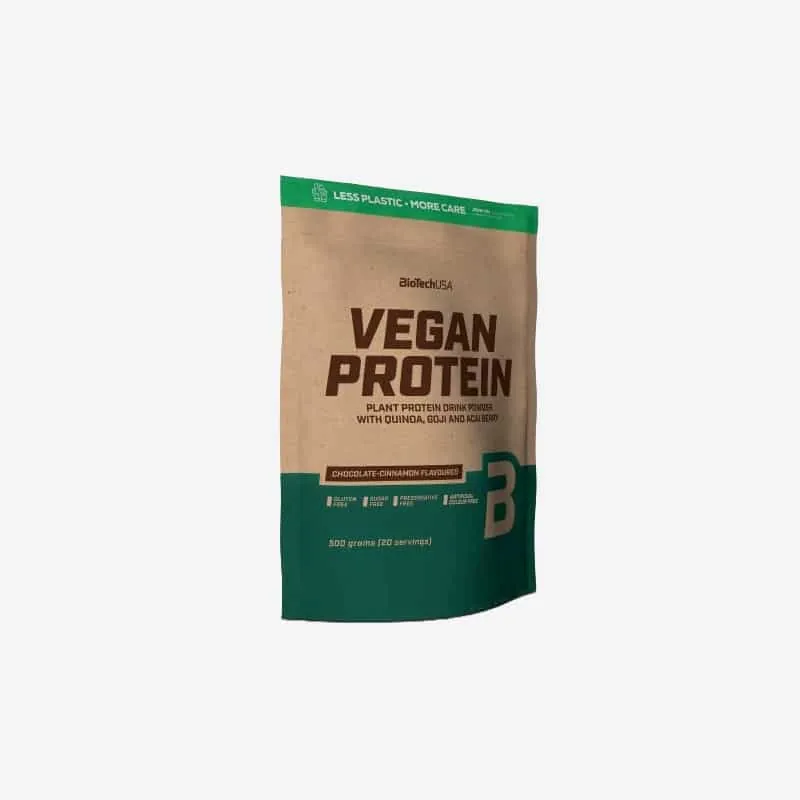
Whey blends are usually cheapest per serving, isolates are more filtered and typically lower in lactose, and plant proteins suit vegans or anyone avoiding dairy. Our guide to choosing a protein powder has more.
3. Creatine monohydrate
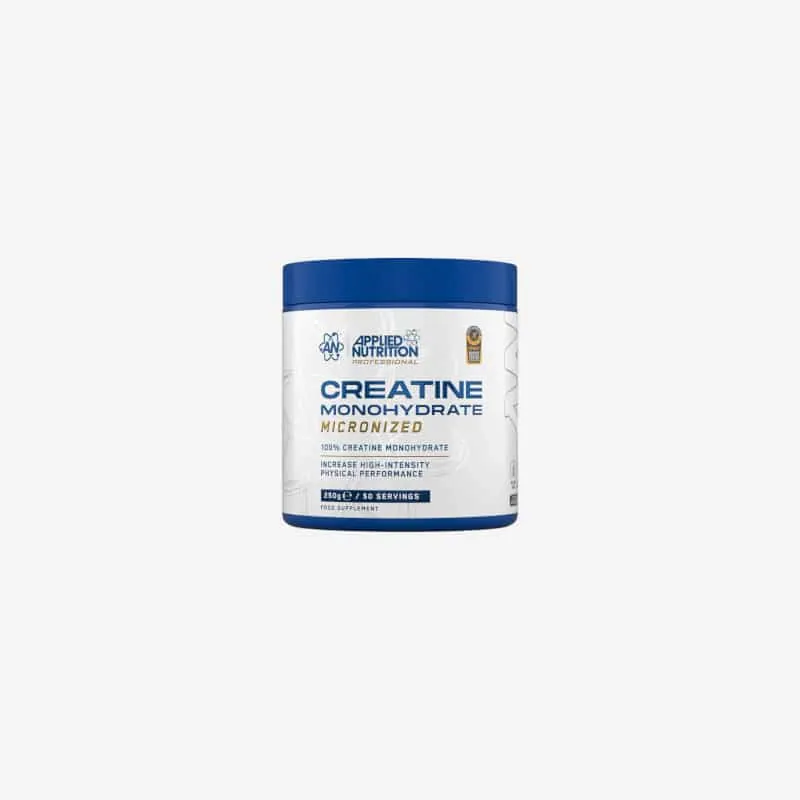
"Creatine increases physical performance in successive bursts of short-term, high-intensity exercise." The effect is seen with a daily intake of 3g. Monohydrate is the form used in most of the research, so there's no need to start with anything fancier. Loading is optional, and the side effect most often reported is a small gain in body weight (Kreider et al., 2017). Our creatine guide has more.
4. Vitamin D in autumn and winter
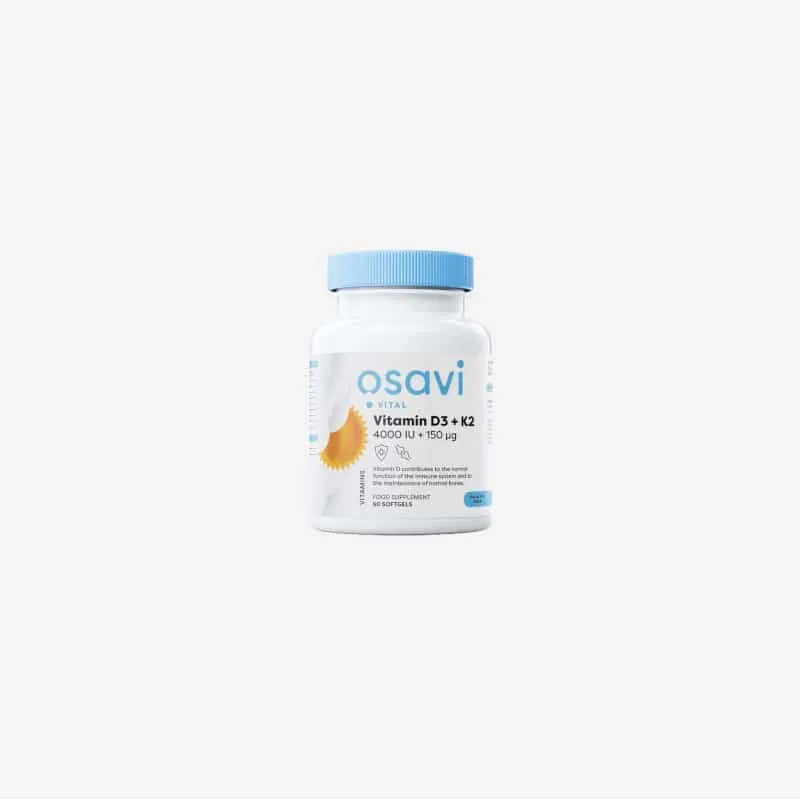
The NHS says everyone should consider a daily 10 microgram (400 IU) vitamin D supplement in autumn and winter, and some people all year round, but not more than 100 micrograms (4,000 IU) a day. "Vitamin D contributes to the maintenance of normal bones and muscle function."
The Osavi D3 + K2 capsule we sell provides 4,000 IU (100 micrograms), that upper limit, so don't combine it with other vitamin D products; a 10 microgram supplement is enough for most people. It also contains vitamin K2, so check with your GP or pharmacist first if you take blood-thinning medication.
5. Optional: omega-3 and magnesium
The NHS advises at least two portions of fish a week, one of them oily. If you rarely eat fish, an omega-3 capsule is a simple way to get EPA and DHA.
"Magnesium contributes to a reduction of tiredness and fatigue." It's worth considering if you eat few nuts, seeds, wholegrains or leafy greens.
6. Optional: pre-workout
Most pre-workouts are built around caffeine, so check the label: one serving of ABE Pre-Workout contains 200mg. UK guidance is up to 400mg of caffeine a day for healthy adults and 200mg in pregnancy, counting coffee, tea and energy drinks too. Pre-workouts aren't suitable for under-18s. Sensitive to caffeine or training late? Pump 3G Zero Stim is stimulant-free.
What to skip for now
- Fat burners. No supplement burns fat for you; a calorie deficit does that.
- BCAAs. If you hit your protein target, whole proteins already supply them.
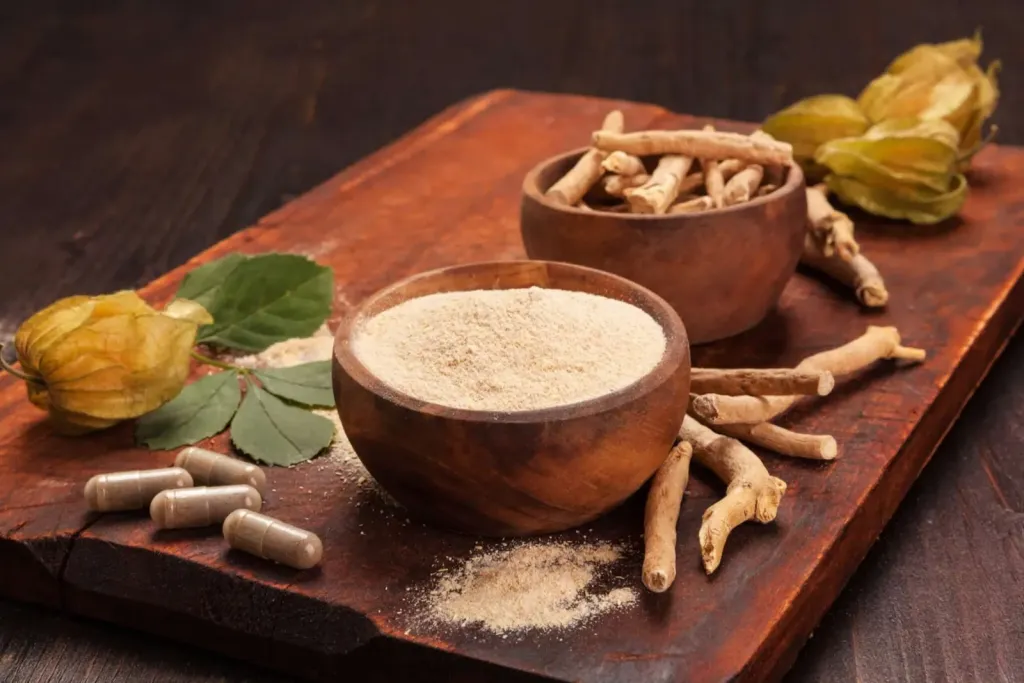
- Glutamine and herbal extracts. Glutamine and botanicals such as ashwagandha have no authorised health claims, so they aren't the place to start.
- Anything promising fast, dramatic results.
Starter stack by budget
| Budget | What to buy | Total |
|---|---|---|
| £30 | BioTechUSA Vegan Protein 500g (£17.99) and Applied Nutrition Creatine Monohydrate 250g (£12.00) | £29.99 |
| £60 | ISO-XP Whey Isolate 1kg (£39.99), Applied Nutrition Creatine Monohydrate 250g (£12.00) and ABE Protein Shaker 700ml (£4.99) | £56.98 |
| £100 | The £60 stack, plus Osavi Vitamin D3 + K2 (£12.00), Reflex Magnesium Bisglycinate (£12.00) and 7Nutrition Omega 3 (£10.99) | £91.97 |
Prices at the time of writing. Not sure which tub suits you? Ask us in the Reading shop and we'll talk it through.
Safety notes
Food supplements aren't a substitute for a varied, balanced diet, and you shouldn't exceed the dose on the label. The products here are intended for adults. If you're pregnant or breastfeeding, take medication or have a medical condition, including a kidney condition, speak to your GP or pharmacist first.
FAQs
Do I need supplements to build muscle?
No. Training, food and sleep come first; supplements are a convenience.
If I can only buy one thing, what should it be?
If you struggle to hit your protein target, a protein powder. If your protein is already covered, creatine monohydrate.
When should I take creatine?
Whenever suits you: daily, at a time you'll remember, following the label.
Sources
- NHS: Water, drinks and your health / Eatwell Guide
- NHS: Vitamin D
- Jäger R, et al. (2017). International Society of Sports Nutrition Position Stand: protein and exercise. Journal of the International Society of Sports Nutrition, 14:20.
- Morton RW, et al. (2018). A systematic review, meta-analysis and meta-regression of the effect of protein supplementation on resistance training-induced gains in muscle mass and strength in healthy adults. British Journal of Sports Medicine, 52(6):376–384.
- Kreider RB, et al. (2017). International Society of Sports Nutrition position stand: safety and efficacy of creatine supplementation in exercise, sport, and medicine. JISSN, 14:18.
- EFSA Panel on Dietetic Products, Nutrition and Allergies (2015). Scientific Opinion on the safety of caffeine. EFSA Journal, 13(5):4102.
- Food Standards Agency: Caffeine guidance
- GOV.UK: Great Britain nutrition and health claims (NHC) register
Who wrote this
6 Pack Supplements team at our Reading store.
Not medical advice
This guide is general information. Speak to your GP or pharmacist before taking supplements if you're pregnant, take medication or have a medical condition.