Creatine monohydrate is the most researched form of creatine and the easiest place to start: take the amount on your label every day (most say 3–5g), at whatever time you'll remember. Loading is optional, and pricier forms haven't been shown to beat plain monohydrate. The hair-loss worry rests on weak evidence, and the small weight gain some people notice is mostly water held in muscle.
What is creatine?
Creatine is a compound your body makes from amino acids, mainly in the liver and kidneys. You also get it from food, mostly meat and fish. About 95% of it is stored in your muscles, largely as phosphocreatine, which muscles draw on during short, intense efforts such as a heavy set or a sprint.
According to the International Society of Sports Nutrition (ISSN), your body breaks down and replaces roughly 1–3g a day, with about half usually coming from your diet (Kreider et al., 2017). People who eat little or no meat or fish get very little from food.
What can it do?
Creatine is one of the few sports supplements with an authorised performance claim on the Great Britain health claims register:
Creatine increases physical performance in successive bursts of short-term, high-intensity exercise. The beneficial effect is obtained with a daily intake of 3g of creatine.
That kind of exercise includes weight training, sprints, circuits and stop-start sports such as football or rugby.
Types of creatine compared
| Form | What it is | Research behind it | Typical cost per day | Good to know |
|---|---|---|---|---|
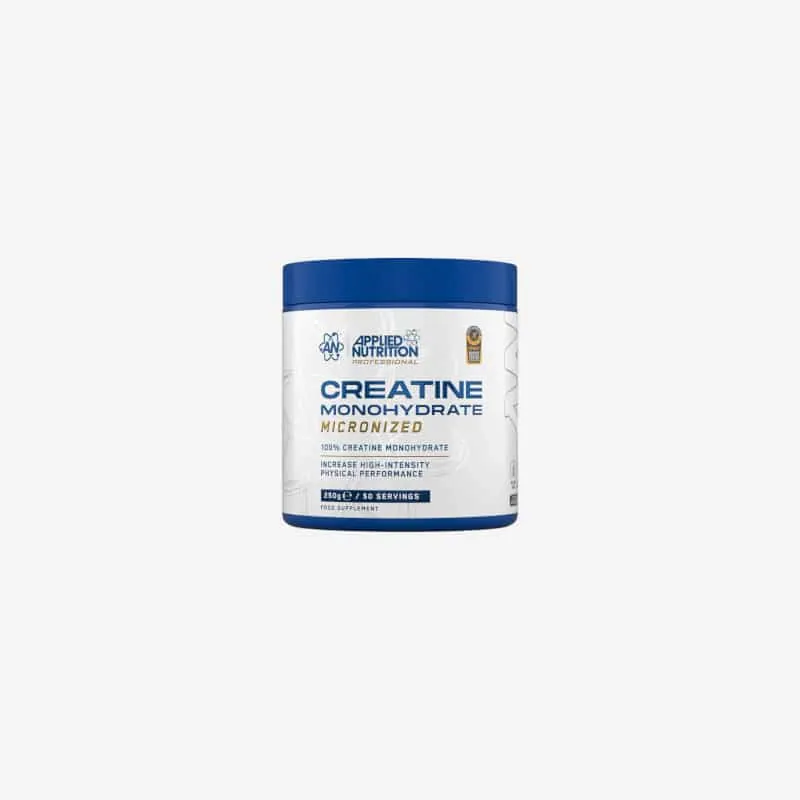
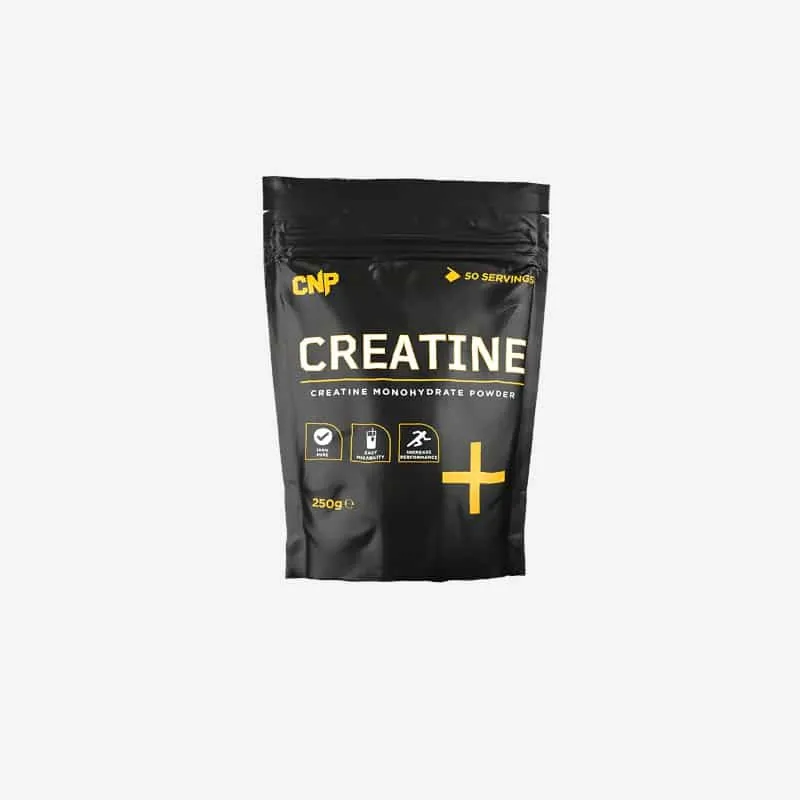
| Monohydrate | Creatine bound to a water molecule | The most studied form by far | Lowest | Unflavoured and slightly gritty; stir into juice or a shake |
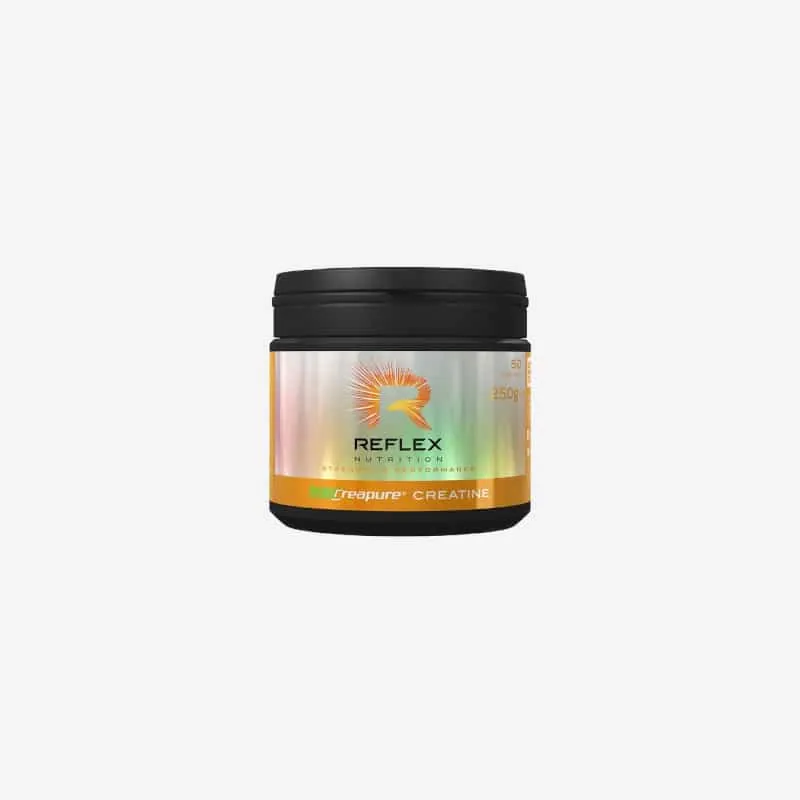
| Creapure® | A branded monohydrate made in Germany to its own purity standard | Same compound as monohydrate, so the same evidence | Low to mid | You're paying for a named, quality-controlled source |
| HCl (hydrochloride) | A salt form of creatine that dissolves more easily in water | Much less than monohydrate | Mid to high | Often sold in smaller servings; check the actual creatine per serving |
| Tri-creatine malate | Three creatine molecules bound to malic acid | Limited | Mid | Often flavoured; a little less creatine per gram than monohydrate |
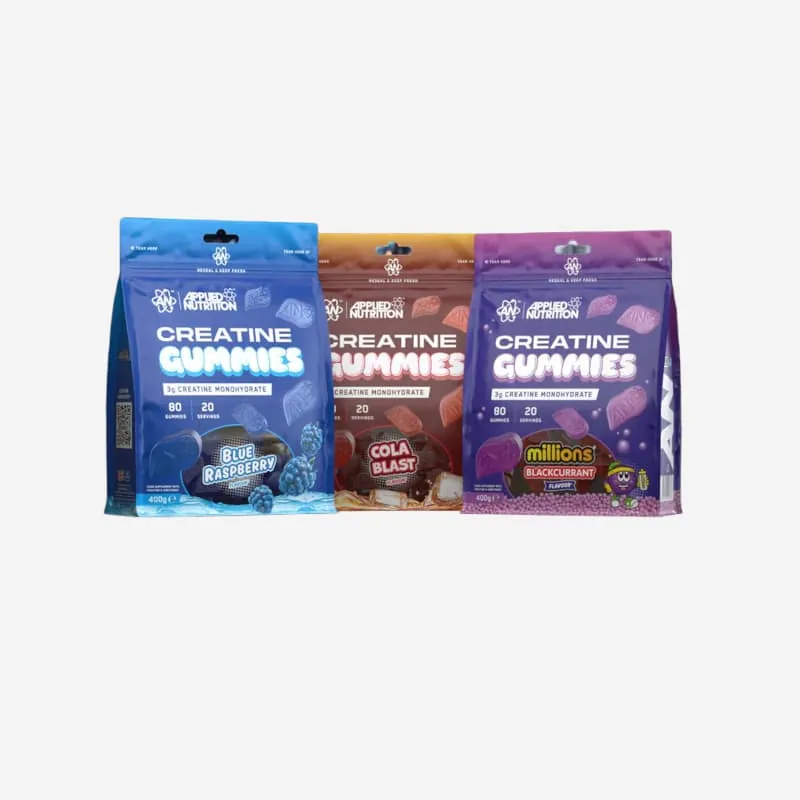
| Gummies | Creatine, usually monohydrate, in a chewable sweet | Depends on the creatine inside | Highest | No mixing; check how many gummies make a serving |
The ISSN position stand describes monohydrate as the most extensively studied form, and there's little evidence that other forms work better (Kreider et al., 2017). Monohydrate and Creapure® are the same compound: with Creapure®, you're paying for the manufacturer's quality control.
How much to take, and do you need to load?
The authorised claim is based on 3g of creatine a day, and most labels suggest 3–5g. Take it every day, rest days included: the aim is to keep your muscle stores topped up, not to feel something before a session.
Loading is optional. Loading means taking a larger amount, split through the day, for about a week, then dropping to a daily amount. Kreider and colleagues note that it may be the quickest way to raise muscle creatine, but that a steady 3–5g a day raises it more gradually, over about three to four weeks.
For most beginners, skipping the load is simpler, and some people find larger amounts upset their stomach. Only load if your product's label gives loading directions.
Timing is flexible. Consistency matters more than the time of day. Many people add it to a post-training shake or take it with a meal because it's easy to remember.
Mix it well. Monohydrate doesn't fully dissolve, so stir it into water, juice or a shake and drink it straight away.
Check your other tubs. Some pre-workouts and mass gainers already contain creatine, so count that towards your daily amount. Our pre-workout guide covers how to read those labels.
What to check before you buy
- The form. "Creatine monohydrate" or "Creapure®" on the label means you're getting the most studied form.
- Creatine per serving. Look for at least 3g of creatine per daily serving, the amount the authorised claim is based on. With capsules or gummies, that can mean several a day.
- Cost per day, not per tub. Divide the price by the number of daily servings. Plain powder is usually the cheapest way to take creatine.
- Anything added. Flavoured versions may include sweeteners, colours or other ingredients, so check you're happy with the full list.
- Batch testing. If you compete in tested sport, choose a product covered by a third-party batch-testing scheme.
Creatine myths
"Creatine makes your hair fall out"
The evidence for this is weak. The worry traces back to a single small study that measured a hormone called DHT, not hair loss itself, and that result hasn't been confirmed since. No study has shown that creatine causes hair loss. If it's a concern for you, perhaps because of family history, talk to your GP.
"It's all water weight"
Some people gain a little weight in the first few weeks, especially if they load. That's mostly extra water held in muscle, where creatine is stored; the ISSN notes that weight gain is the side effect most consistently reported in research. The same review found no good evidence that creatine causes cramping or dehydration.
"It's a steroid, and it's bad for your kidneys"
Creatine isn't a steroid or a hormone: it's a compound your body makes and that's found in ordinary food. The ISSN review found no compelling evidence that creatine monohydrate harms healthy people.
Your body breaks creatine down into creatinine, a marker used in routine kidney blood tests, and taking creatine can raise that reading, so tell your doctor you take it before any blood test.
"You need to cycle it"
There's no need to take breaks. If you stop, muscle creatine levels drift back to normal over roughly four to six weeks.
Who creatine suits
- Anyone whose training involves repeated short, hard efforts: weights, sprints, circuits and stop-start sports.
- People who eat little or no meat or fish, as they get very little creatine from food.
- Beginners who want something simple, affordable and well researched.
It's less of a priority if your training is mostly long, steady endurance work.
Not keen on unflavoured powder? Gummies or a flavoured creatine can be easier to stick with; just check the creatine per serving against the 3g mark.
Safety note
Creatine isn't recommended for under-18s, or during pregnancy or breastfeeding. If you have a kidney or liver condition, another medical condition, or take medication, speak to your GP or pharmacist first. Stick to the amount on your label, drink fluids as normal through the day, and keep gummies out of children's reach, as they look like sweets.
FAQs
Do I need to take creatine with food?
No, but taking it with a meal or shake is an easy habit, and some people find it sits better on the stomach.
Can I mix creatine with protein or pre-workout?
Yes. Just check whether your pre-workout or gainer already contains creatine, so you know your daily total.
How long does creatine take to build up?
Without loading, muscle stores rise gradually over about three to four weeks of daily use. With a loading phase, it's closer to a week (Kreider et al., 2017).
Is Creapure® worth the extra?
It's creatine monohydrate from a named manufacturer with its own quality standard. If that reassurance matters to you, the premium is small; if not, standard monohydrate is the same compound.
Sources
- Kreider RB, et al. (2017). International Society of Sports Nutrition position stand: safety and efficacy of creatine supplementation in exercise, sport, and medicine. JISSN, 14:18.
- GOV.UK: Great Britain nutrition and health claims (NHC) register
Who wrote this
6 Pack Supplements team at our Reading store.
Not medical advice
This guide is general information. Speak to your GP or pharmacist before taking supplements if you're pregnant, take medication or have a medical condition.