Most active people can get the vitamins and minerals they need from a varied diet, and training hard doesn't mean you need big doses. The one supplement the NHS suggests everyone considers is vitamin D: 10 micrograms a day in autumn and winter. Magnesium, zinc, vitamin C, omega-3 or a multivitamin can fill specific gaps, as long as you add up what's in everything you take and stay within the NHS upper amounts.
Start with food
The NHS says most people should be able to get all the vitamins and minerals they need from a varied, balanced diet, and the Eatwell Guide is a good template.
Supplements make most sense when your diet is narrow: you're cutting calories, avoiding food groups or rarely eating fruit, vegetables or fish. Two rules apply: more isn't better, and count every product, because the same nutrient often turns up in several.
The key nutrients at a glance
The second column uses the exact wordings allowed on the Great Britain health claims register.
| Nutrient | Why people take it | Food sources | What to check on the label |
|---|---|---|---|
| Vitamin D | Vitamin D contributes to the maintenance of normal bones and muscle function. | Oily fish, red meat, egg yolks, fortified spreads and cereals | No more than 100 micrograms (4,000 IU) a day from all supplements |
| Magnesium | Magnesium contributes to normal muscle function. | Leafy greens, nuts, brown rice, wholegrain bread, fish, meat, dairy | Magnesium itself in mg, not the compound; 400mg a day or less from supplements |
| Zinc | Zinc contributes to the normal function of the immune system. | Meat, shellfish, cheese, bread, wheatgerm | No more than 25mg a day from all supplements |
| Vitamin C | Vitamin C contributes to the reduction of tiredness and fatigue. | Citrus fruit, peppers, strawberries, broccoli, potatoes | More than 1,000mg a day can upset your stomach |
| Omega-3 (EPA and DHA) | EPA and DHA contribute to the normal function of the heart. The beneficial effect is obtained with a daily intake of 250mg of EPA and DHA. | Oily fish such as salmon, sardines and mackerel | EPA plus DHA per daily serving, not the total oil |
Vitamin D: the one most people should think about
From about April to September, most people can make all the vitamin D they need from sunlight. In autumn and winter the sun isn't strong enough and vitamin D is found in only a small number of foods, so the NHS says everyone should consider 10 micrograms (400 IU) a day. That's the reference intake the Scientific Advisory Committee on Nutrition set for everyone aged four and over (SACN, 2016).
Some people should take it all year, including those who aren't often outdoors or who usually cover most of their skin, and people with dark skin should consider it all year too (NHS). Low vitamin D status is also common in athletes, particularly in winter (Owens et al., 2018).
Vitamin D contributes to the normal function of the immune system.
If you choose a high-strength capsule
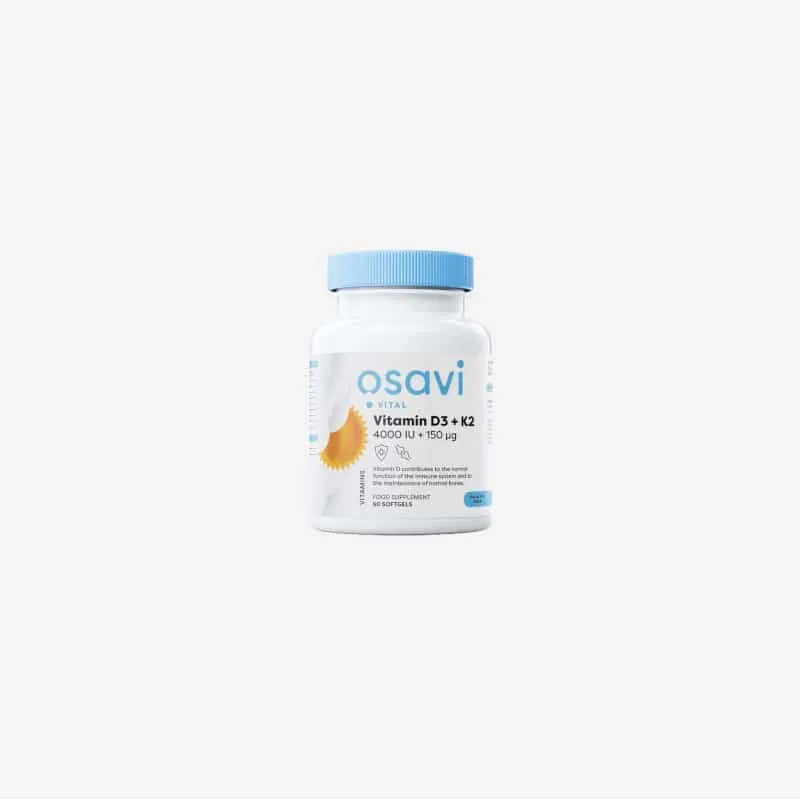
Osavi's Vitamin D3 + K2 gives 100 micrograms (4,000 IU) of vitamin D3 and 150 micrograms of vitamin K2 (as MK-7) per capsule, at £12 for 60 (20p a day). That's ten times the NHS's 10 micrograms and exactly its maximum for adults; the NHS says taking more could be harmful. So:
- Take one capsule a day with a meal containing some fat, and never more.
- Make it your only vitamin D. Both BioTechUSA multivitamins we sell contain it, as do some fish liver oils.
- Check with your GP first if you have a medical condition, as some people can't safely take as much (NHS).
- It's not for children, or during pregnancy or breastfeeding, according to the label.
The K2 part. Vitamin K contributes to the maintenance of normal bones. If you take blood-thinning (anticoagulant) medication, speak to your doctor before taking anything containing vitamin K, as the Osavi label warns.
Magnesium
The NHS says adults aged 19 to 64 need about 300mg a day (men) or 270mg (women). From supplements, 400mg or less a day is unlikely to cause harm, while higher doses can cause diarrhoea.
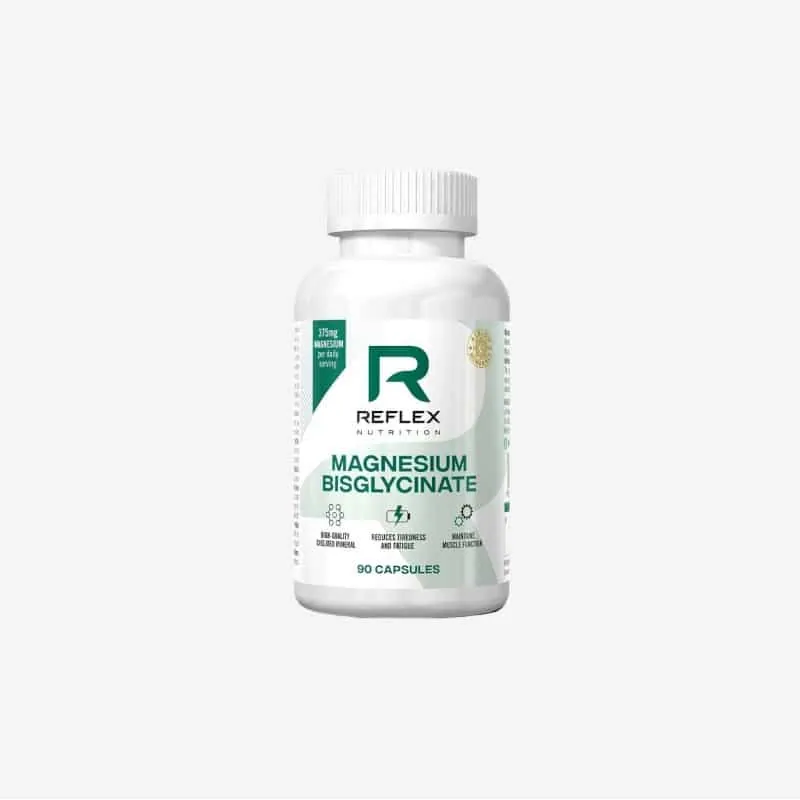
Reflex's Magnesium Bisglycinate gives 375mg of magnesium from three capsules, as Albion® magnesium bisglycinate chelate, and is marked vegan: £12 for 90 capsules, or 40p a day. That's under 400mg on its own, but a ZMA or multivitamin adds more, so count everything.
Zinc
The NHS says men need about 9.5mg of zinc a day and women about 7mg. The limit to remember: no more than 25mg a day from supplements, unless a doctor advises it, as high doses reduce how much copper your body can absorb.
Zinc turns up in ZMA-style products, multivitamins (both BioTechUSA formulas we sell list it) and some men's formulas, and some contain more than 25mg a day on their own, so add up the mg on every label.
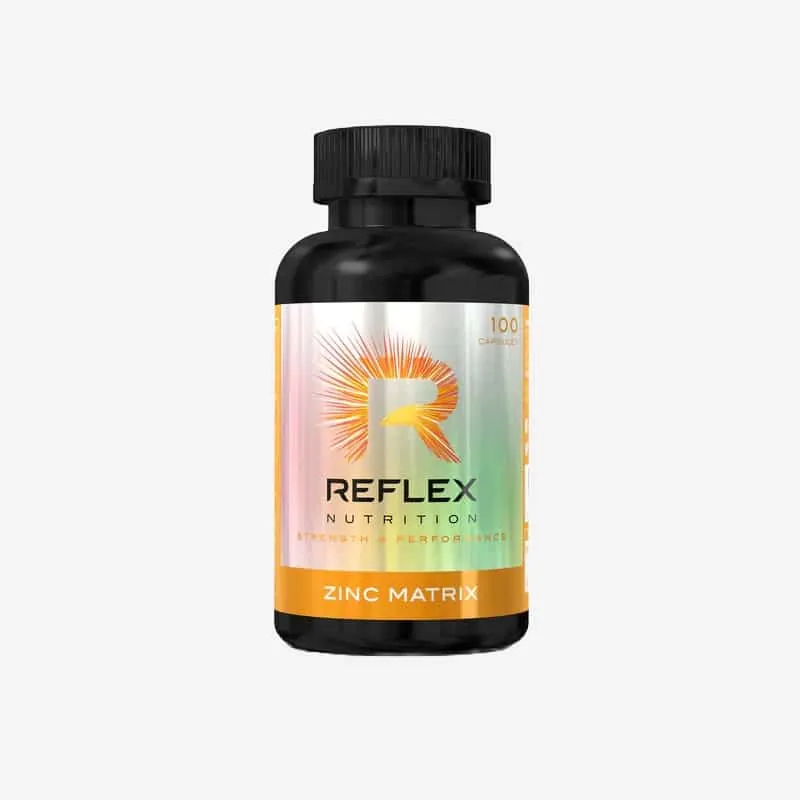
Reflex's Zinc Matrix combines zinc (as zinc bisglycinate), magnesium (as magnesium citrate), copper and vitamin B6, at four capsules a day: £11 for 100 capsules, about 44p a day. Check the pack for the zinc and magnesium per serving before adding anything else.
Vitamin C
Vitamin C contributes to the normal function of the immune system.
Adults need 40mg a day, which a varied diet should provide (NHS). Less than 1,000mg a day from supplements is unlikely to cause harm; more can cause stomach pain, diarrhoea and wind.
Applied Nutrition's Vitamin C gives 1,000mg per tablet (plus 62.5mg of rose hips powder), right at that line, and is marked vegan: £12 for 100 tablets. Take one a day with food and nothing else with vitamin C on top; adding a multivitamin would take you past 1,000mg. Find them in our vitamins and minerals range.
Omega-3: fish first
The NHS recommends at least two portions of fish a week, one of them oily, such as salmon, sardines or mackerel. Oily fish is the main source of the omega-3 fats EPA and DHA. Plant foods such as walnuts and linseed provide a different omega-3, ALA, which the body converts to EPA and DHA only in small amounts (BDA).
If you don't eat oily fish, consider a fish oil (or an algae oil, if you're vegan): check the EPA plus DHA per daily serving, and ask us what's in stock. Our vegan sports supplements guide covers plant-based options.
Multivitamins: a "cover the basics" option
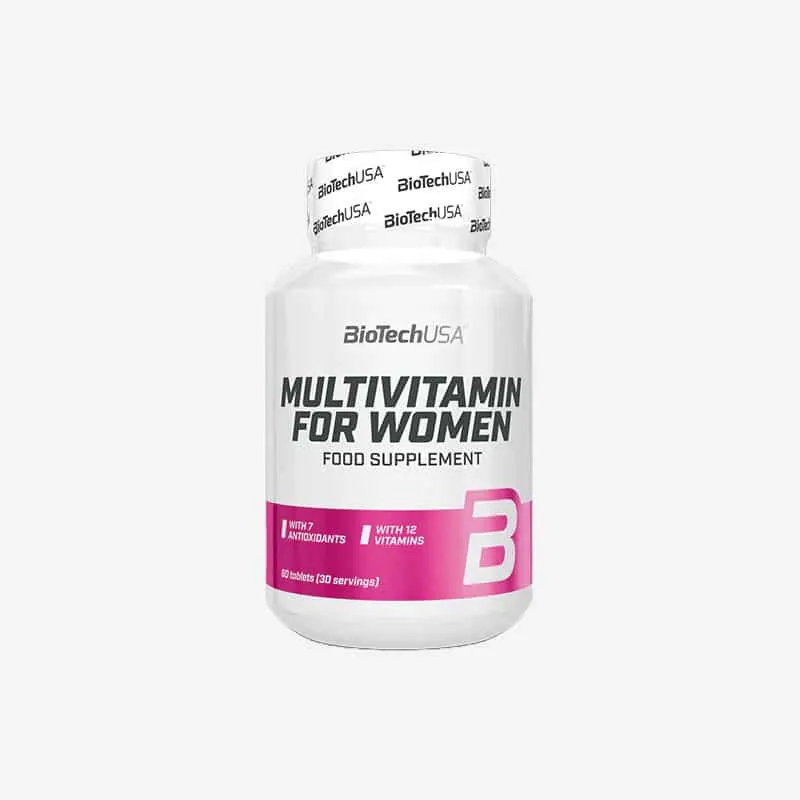
A multivitamin won't fix a poor diet, but it's a simple way to cover the basics when your eating is patchy, such as during a calorie deficit. Our two from BioTechUSA are each two tablets a day with food, at £14.99 for 30 days (about 50p a day):
- Multivitamin for Women: 12 vitamins and 11 minerals, including iron, plus plant powders.
- Multivitamin for Men: 12 vitamins and 7 minerals (no iron listed), plus amino acids and plant extracts.
Both contain gluten (from wheat grass) and green tea and Citrus aurantium (bitter orange) extracts, so check the pack if you take medication. The %NRV column on the label shows what you're getting, and both already contain vitamin D, zinc, magnesium and vitamin C. Compare them in our multivitamins range.
Doubling up and safety
Before adding anything new, list everything you take and add up the vitamin D, zinc, magnesium and vitamin C against the limits in the table above. The Osavi capsule plus either multivitamin, for example, would take you over the vitamin D maximum. Not sure? Bring your tubs into our Reading shop and we'll add them up with you.
Every supplement in this guide is labelled as not suitable for children, or during pregnancy or breastfeeding; if you're pregnant, ask your midwife or GP which supplements you need. If you take medication or have a medical condition, check with your GP or pharmacist first, and if you think you're low in something, ask your GP about a test rather than guessing with high doses.
FAQs
Do I need more vitamins if I train a lot?
Not automatically. Eating enough to fuel your training usually brings more vitamins and minerals with it, and the NHS vitamin D advice applies either way.
Is 4,000 IU of vitamin D too much?
It's the NHS maximum for adults, not a target: most people need 10 micrograms (400 IU). If you choose a 4,000 IU product, take one capsule a day and make it your only vitamin D.
Can I take ZMA and a multivitamin together?
Only if your total zinc from supplements stays within 25mg a day, and magnesium within 400mg. Check both labels, or pick one.
Sources
- NHS: Vitamin D
- NHS: Vitamin C
- NHS: Others – vitamins and minerals: magnesium and zinc
- NHS: Fish and shellfish
- NHS: Eatwell Guide
- Scientific Advisory Committee on Nutrition (SACN) (2016). Vitamin D and Health. Public Health England.
- Owens DJ, Allison R, Close GL (2018). Vitamin D and the athlete: current perspectives and new challenges. Sports Medicine, 48(Suppl 1):3–16.
- British Dietetic Association (BDA): Omega-3 Food Fact Sheet
- GOV.UK: Great Britain nutrition and health claims (NHC) register
Who wrote this
6 Pack Supplements team at our Reading store.
Not medical advice
This guide is general information. Speak to your GP or pharmacist before taking supplements if you're pregnant, take medication or have a medical condition.