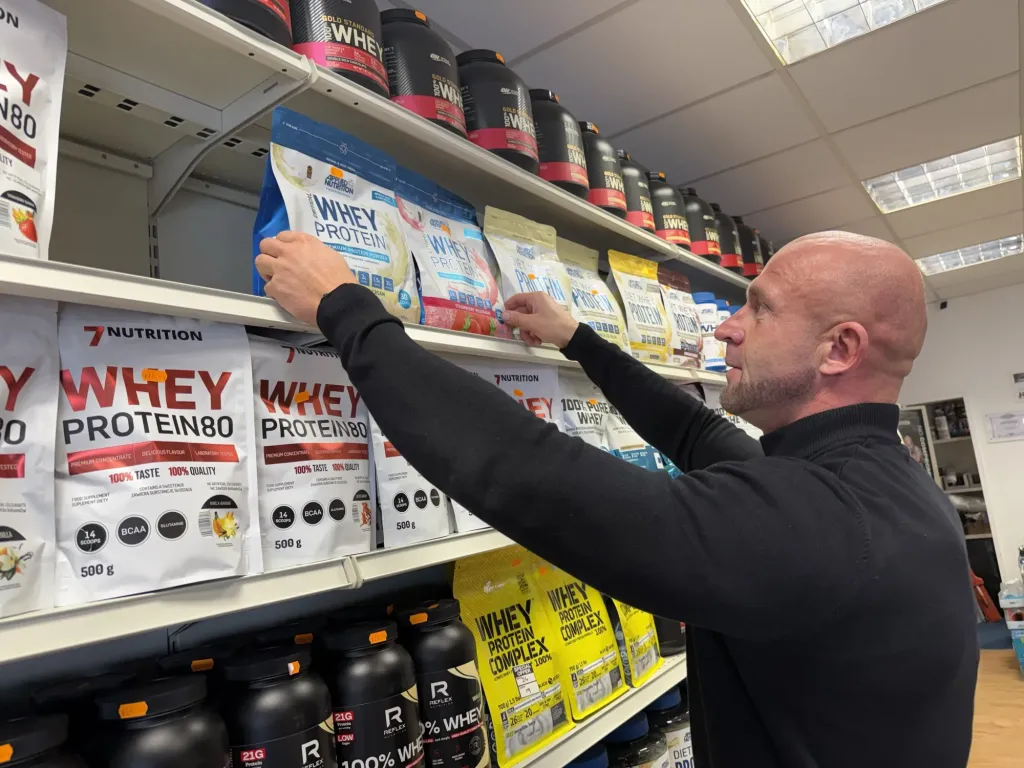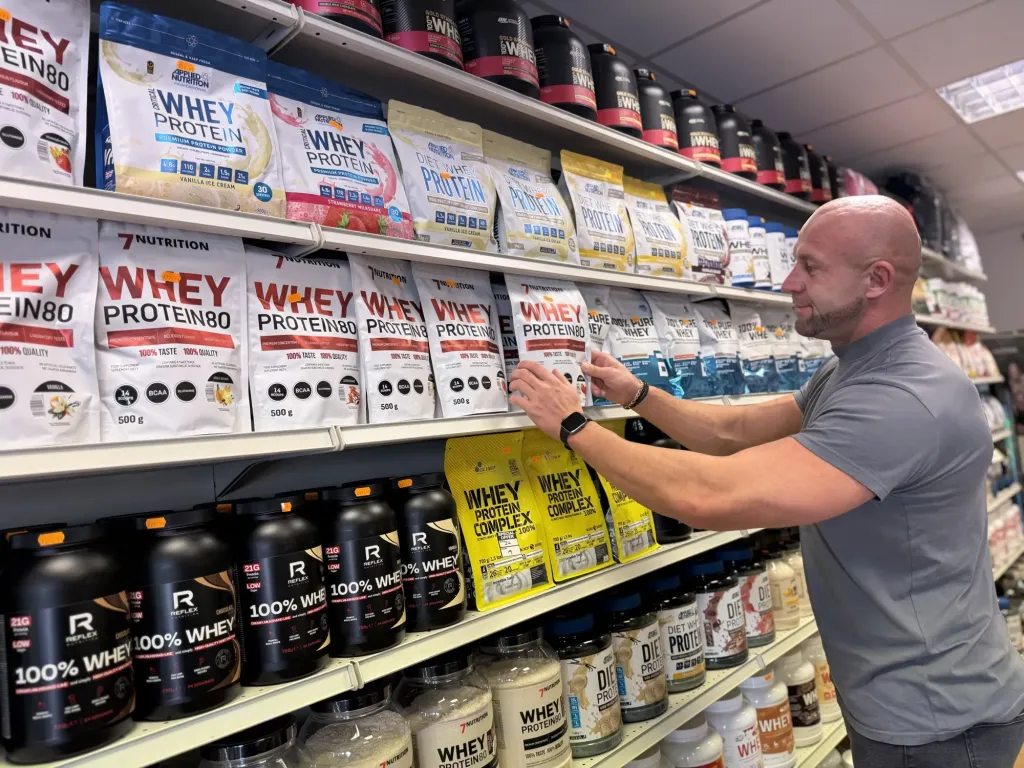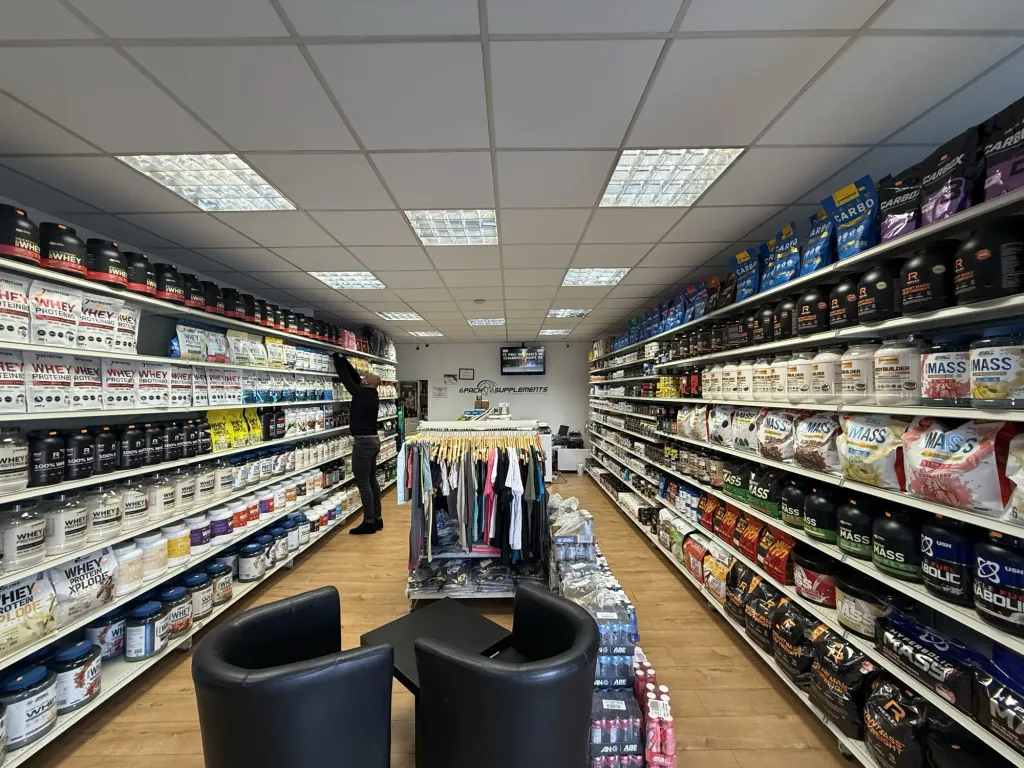
You can train hard on a well-planned vegan diet. Hit your protein target from a mix of plant sources, using a pea and rice powder if that makes it easier, and consider creatine, because diets without meat or fish provide very little of it. Then cover what plant foods don't reliably supply: the NHS says vegans need a reliable source of vitamin B12, and vitamin D, omega-3, iodine and iron need some planning too.
Can you build muscle on a vegan diet?
Yes, with some planning. A 2017 review of vegan diets for athletes concluded that, with careful food choices and appropriate supplements, a vegan diet can meet the needs of most athletes. It flagged the areas to watch: enough calories and protein; vitamin B12, iron, zinc, calcium, iodine and vitamin D; and the long-chain omega-3s EPA and DHA, which most plant foods lack (Rogerson, 2017).
A 2021 study tested this directly. Nineteen habitual vegans and 19 omnivores, all untrained young men, followed the same 12-week resistance-training programme, with protein matched at around 1.6g per kg of body weight a day, topped up with soy protein for the vegans and whey for the omnivores. Both groups made similar gains in leg muscle size and leg-press strength (Hevia-Larraín et al., 2021). It was a small study in young men, using soy rather than pea or rice protein, so it isn't the last word, but it's reassuring.
Hitting your protein target
Protein contributes to the growth and maintenance of muscle mass. The ISSN suggests 1.4–2.0g per kg of body weight a day for most people who exercise (Jäger et al., 2017). For a 70kg person, that's roughly 100–140g a day.
When researchers analysed commercially available plant protein isolates, most contained a smaller share of essential amino acids than animal proteins such as whey, and they tended to be lower in lysine and methionine; the authors noted that blending plant proteins can give a more complete profile (Gorissen et al., 2018). In practice:
- Mix your sources through the day: beans, lentils, chickpeas, tofu, tempeh, soya drinks, nuts, seeds and wholegrains.
- Choose a blended powder. Pea and rice complement each other: rice protein contains little lysine but more of the sulphur-containing amino acids, and pea protein is the other way round.
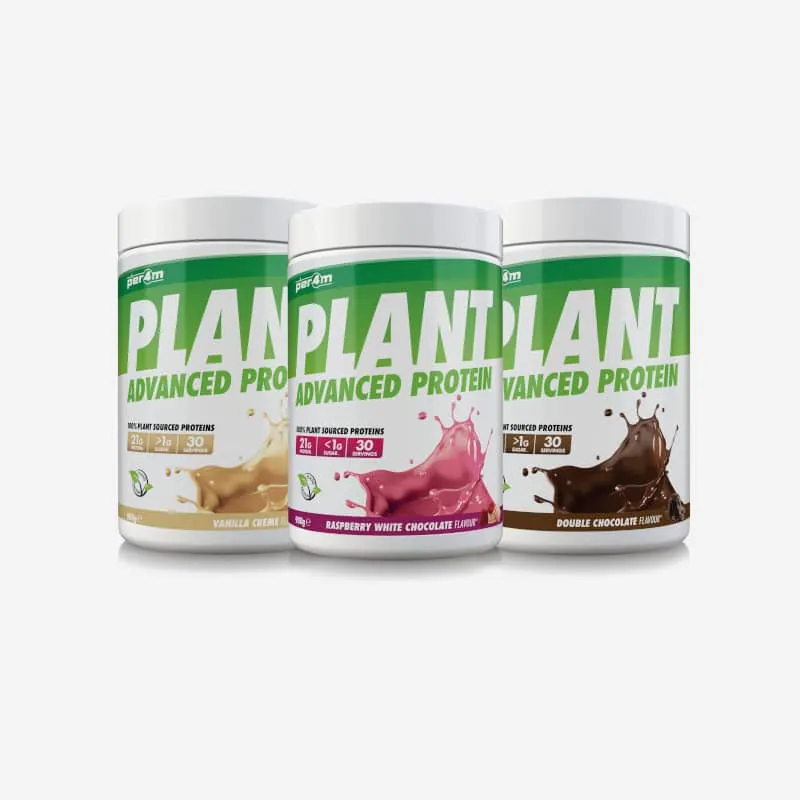
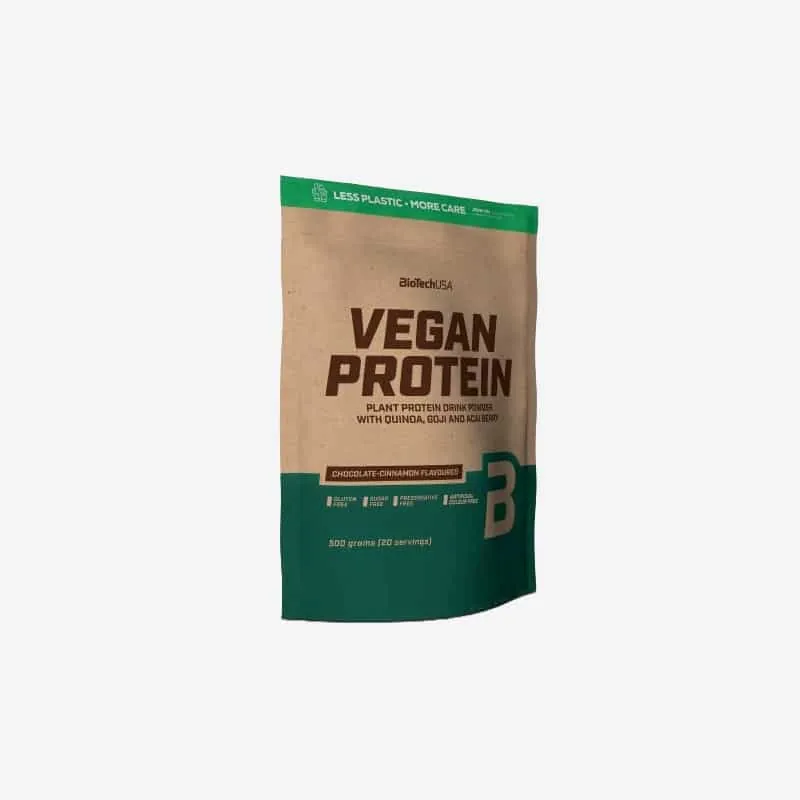
Our two vegan protein powders
| PER4M Plant Advanced | BioTechUSA Vegan Protein | |
|---|---|---|
| Protein sources | Pea protein isolate, rice protein | Pea protein isolate, rice protein, quinoa flour, berry powders |
| Serving | 30g scoop | 25g (3 level tablespoons) |
| Protein per serving | Check the pack | 19g, with 106kcal |
| Servings | About 30 per 900g tub | 20 per 500g bag |
| Price | £25.99, about 87p a serving | £17.99, about 90p a serving |
| Good to know | Mix with 250–300ml of water or plant milk; check the pack for allergens | Contains soy; sweetened with sucralose; gluten free and sugar free when mixed with water |
Plant powders are thicker than whey, so add more liquid or blend them with fruit. If you avoid dairy because of a milk allergy, note that the BioTechUSA protein is made in a factory that also handles milk. For extra protein and calories in shakes or porridge, 7Nutrition's Crunchy Peanut Butter is 100% peanuts, with 6.5g of protein per 25g portion (152kcal). See our plant protein range.
Creatine: worth considering if you don't eat meat or fish
Your body makes some creatine and gets the rest from food, mostly meat and fish, so diets without them provide very little (Kreider et al., 2017). The 2017 review of vegan diets suggested vegan athletes might consider creatine, noting that vegetarian diets are linked with lower muscle creatine (Rogerson, 2017).
Creatine increases physical performance in successive bursts of short-term, high-intensity exercise. The beneficial effect is obtained with a daily intake of 3g of creatine.
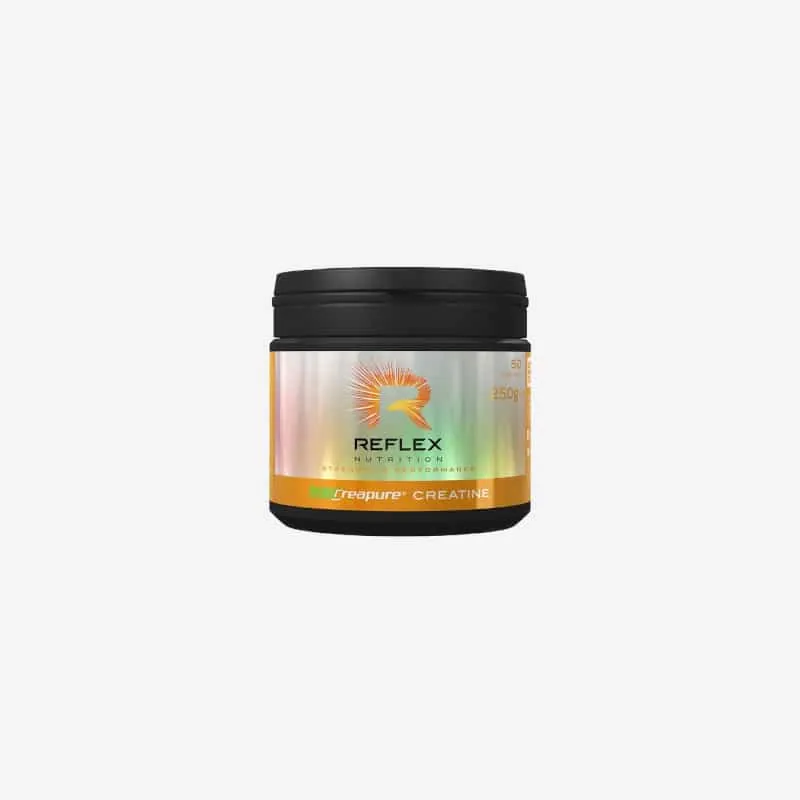
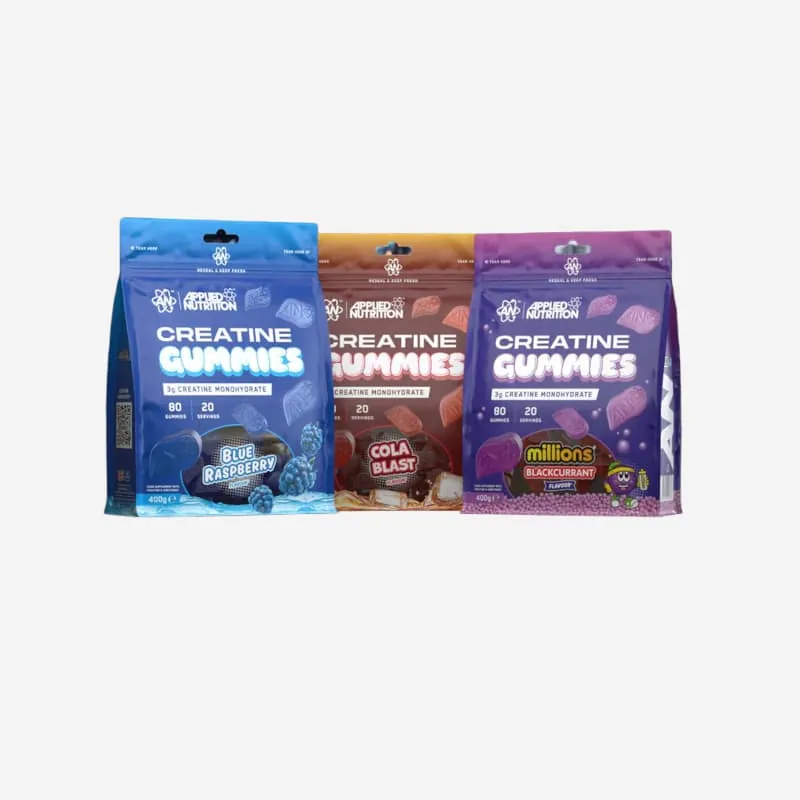
Not every creatine is marked vegan. Two of ours are:
- Reflex Creatine Powder (Creapure®): 5g of unflavoured, micronised creatine monohydrate per scoop; about 50 servings for £15, so around 30p a day.
- Applied Nutrition Creatine Monohydrate Gummies: 3g per serving of four gummies; 20 servings for £19.99, about £1 a day.
Our creatine guide covers dosing, loading and the common myths.
The gaps to plan for
| Nutrient | Why it needs planning | Vegan sources | From us |
|---|---|---|---|
| Vitamin B12 | Not found naturally in fruit, vegetables or grains | Fortified breakfast cereals, fortified unsweetened soya drinks, yeast extract with added B12 | Not stocked: ask us |
| Vitamin D | Found in few foods, and D3 is often made from lanolin (sheep's wool) | Summer sunlight; fortified spreads, cereals and unsweetened soya drinks | No vegan-marked option: ask us |
| Omega-3 (EPA and DHA) | Found mainly in oily fish; plant foods provide ALA, which the body converts only in small amounts | Linseed (flaxseed) oil, rapeseed oil, soya foods such as tofu, walnuts; algae oil supplements | Not stocked: ask us |
| Iodine | Sea fish and shellfish are good sources; levels in plant foods vary with the soil | Cereals and grains; some plant drinks have iodine added, so check the label | Ask a pharmacist before supplementing |
| Iron | Iron from plant foods is absorbed less well than iron from meat | Pulses, wholemeal bread, iron-fortified cereals, dark green leafy vegetables, nuts, dried fruit | See your GP if you're concerned |
We don't currently stock a standalone vitamin B12 supplement, a vegan-marked vitamin D or an algae omega-3. If you'd like one, ask us in store or by phone and we'll help you find a suitable option.
Vitamin B12
Vitamin B12 contributes to the reduction of tiredness and fatigue.
B12 isn't found naturally in fruit, vegetables or grains, so the NHS says vegans need a reliable source: foods fortified with B12, or a supplement. Adults need about 1.5 micrograms a day, and the NHS says 2mg or less a day from supplements is unlikely to cause harm.
Vitamin D
The NHS advice to consider 10 micrograms a day in autumn and winter applies to everyone. The catch for vegans is the source: vitamin D3 is often made from lanolin, a fat from sheep's wool, and the NHS advises reading the label to make sure the vitamin D in a product isn't of animal origin. Look for a product marked vegan, or D3 made from lichen.
The Osavi Vitamin D3 + K2 we stock isn't marked vegan, so we can't recommend it for a vegan diet. Our vitamins guide covers vitamin D amounts and upper limits.
Omega-3
Plant foods provide ALA, which the body converts to EPA and DHA only in small amounts (BDA). Algae oil supplements provide EPA and DHA without fish: check that the pack is marked vegan, and look at the EPA plus DHA per daily serving.
How to spot "vegan" on a label
- Look for a clear vegan statement or logo. "Vegetarian" isn't the same: our Reflex Clear Whey is marked vegetarian, but it's made from milk.
- Check capsules and chews. Capsule shells and gummies can be made with gelatine.
- Check the source of vitamin D3 (lanolin or lichen) and omega-3 (fish or algae).
- Watch for animal-derived ingredients such as whey, casein, lactose, honey, beeswax and shellac.
- Read "may contain" warnings. They're about the factory, not the recipe: a vegan product can be made alongside milk, which matters if you have an allergy.
Of our vitamins and minerals, Reflex Magnesium Bisglycinate and Applied Nutrition Vitamin C are also marked vegan. Our vegan range lists everything we stock that is.
Safety note
The creatine, magnesium and vitamin C products mentioned here are labelled as not suitable for children, or during pregnancy or breastfeeding. If you're pregnant or breastfeeding on a vegan diet, ask your midwife or GP which supplements you need. For under-18s, protein should come from meals. Don't take iodine or iron supplements on a hunch, and if you take medication or have a medical condition, check with your GP or pharmacist first. Check allergens too: the BioTechUSA protein contains soy and the peanut butter contains peanuts.
FAQs
Is creatine vegan?
It can be, but check for a vegan mark, especially on capsules and gummies, which may use gelatine. Our Reflex Creapure® powder and Applied Nutrition Creatine Gummies are both marked vegan.
Do vegans need more protein?
Aim for the same ISSN range of 1.4–2.0g per kg a day, and hit it consistently from a mix of plant sources. The vegans in the 2021 study ate around 1.6g per kg a day.
Can I get enough protein without a powder?
Yes. Beans, lentils, tofu, tempeh, soya drinks, nuts and seeds can cover it; a powder is simply a convenient top-up.
Sources
- Rogerson D (2017). Vegan diets: practical advice for athletes and exercisers. Journal of the International Society of Sports Nutrition, 14:36.
- Hevia-Larraín V, et al. (2021). High-protein plant-based diet versus a protein-matched omnivorous diet to support resistance training adaptations: a comparison between habitual vegans and omnivores. Sports Medicine, 51(6):1317–1330.
- Gorissen SHM, et al. (2018). Protein content and amino acid composition of commercially available plant-based protein isolates. Amino Acids, 50(12):1685–1695.
- Jäger R, et al. (2017). International Society of Sports Nutrition Position Stand: protein and exercise. Journal of the International Society of Sports Nutrition, 14:20.
- Kreider RB, et al. (2017). International Society of Sports Nutrition position stand: safety and efficacy of creatine supplementation in exercise, sport, and medicine. JISSN, 14:18.
- NHS: The vegan diet
- NHS: Vitamin B: vitamin B12
- NHS: Vitamin D
- NHS: Others – vitamins and minerals: iodine
- British Dietetic Association (BDA): Omega-3 Food Fact Sheet
- GOV.UK: Great Britain nutrition and health claims (NHC) register
Who wrote this
6 Pack Supplements team at our Reading store.
Not medical advice
This guide is general information. Speak to your GP or pharmacist before taking supplements if you're pregnant, take medication or have a medical condition.