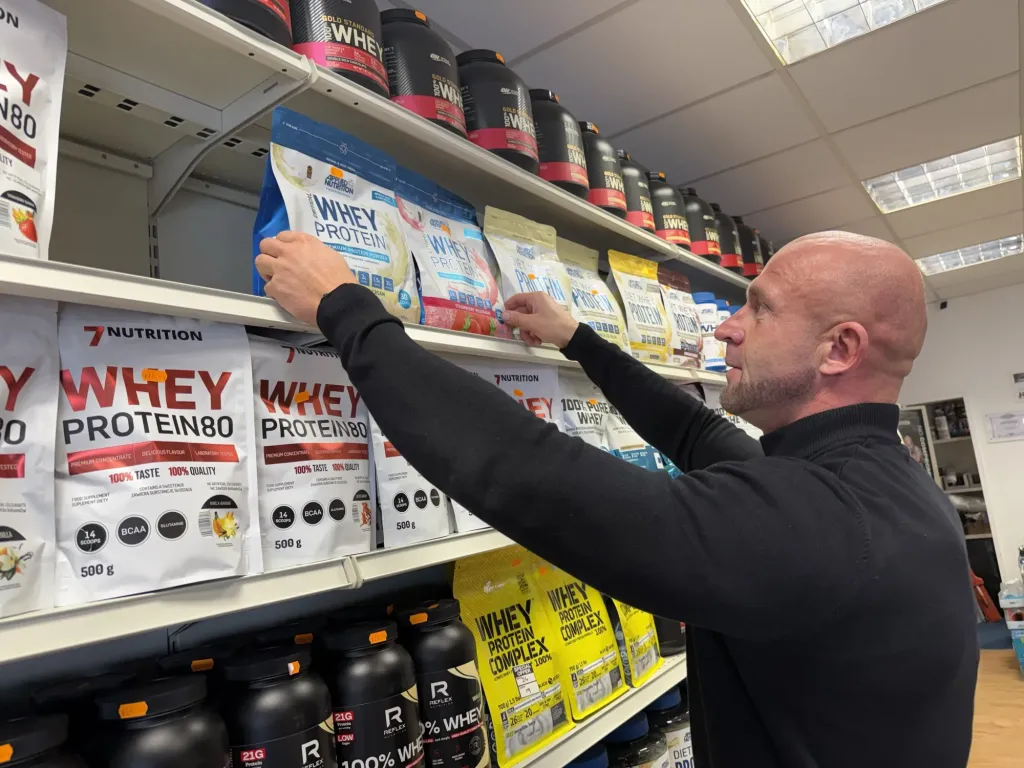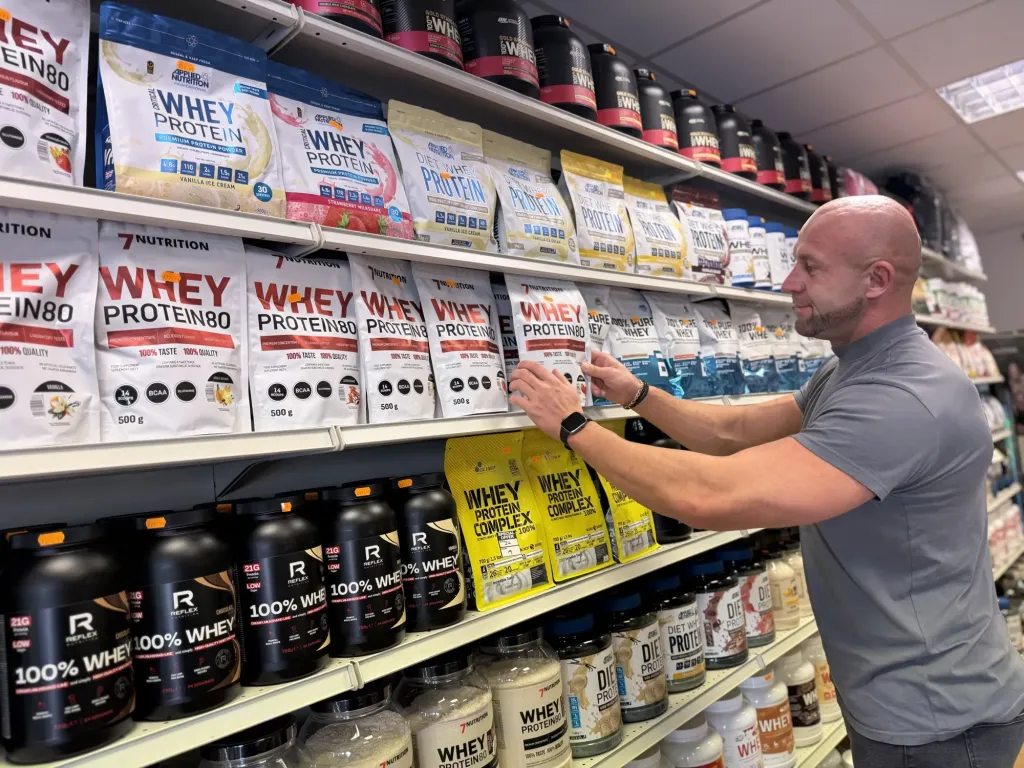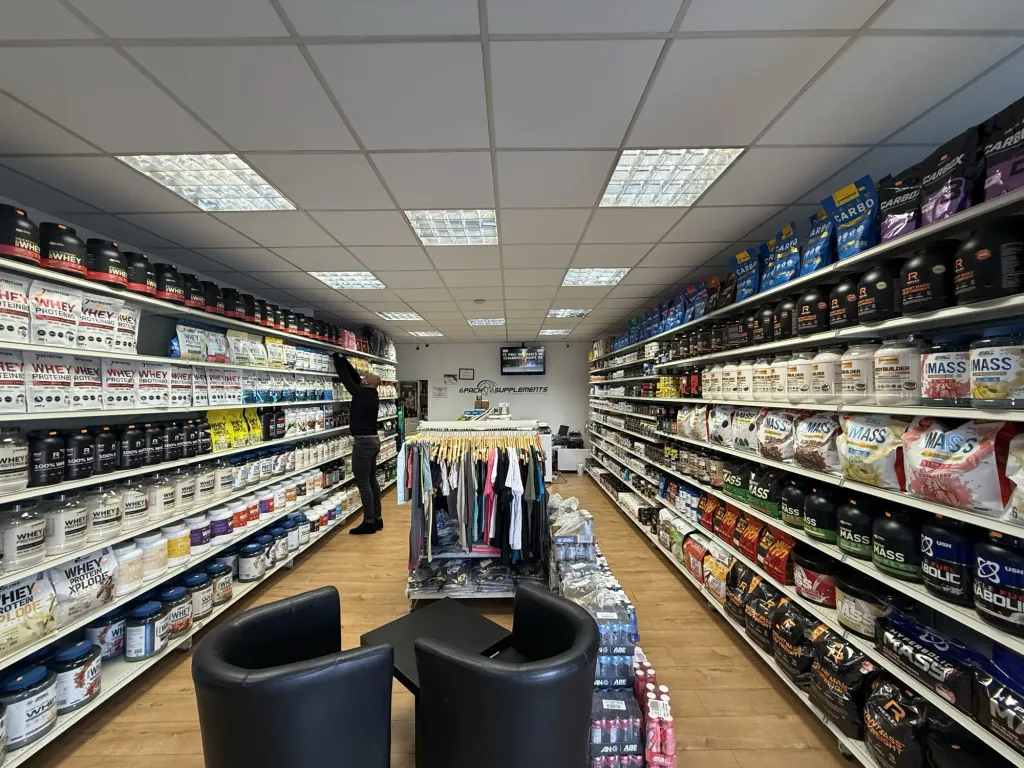
No supplement does the work of fat loss: a calorie deficit you can keep up for weeks and months does. What the right products can do is make that deficit easier to live with, by making a protein target easier to reach and letting you fit foods you enjoy into your calories. The NHS describes losing 0.5 to 1kg (1lb to 2lb) a week as a safe rate to aim for.
What actually causes fat loss
To lose body fat, you need to take in fewer calories than you use, consistently. The International Society of Sports Nutrition (ISSN) position stand on diets and body composition puts it plainly: diets aimed at fat loss are driven by a sustained calorie deficit. It also concludes that a wide range of approaches, from low-fat to low-carb and everything in between, can be similarly effective, and that long-term success depends on sticking with it (Aragon et al., 2017).
So the right diet is the one you can keep up. If you want structure, the NHS's free 12-week weight loss plan is a sensible place to start. For the training side, see our guide to building a six-pack.
Where products fit, and where they don't
| Product | What it offers | What to watch | Worth it? |
|---|---|---|---|
| Whey isolate or clear whey | 20g or more of protein per serving, with little else | It's food, so count its calories | Yes, if you struggle to reach your protein target |
| Protein bars | Portable protein for busy days | Calories vary: the 7Nutrition Seven bar is 290kcal | Sometimes: count the calories, not just the protein |
| Protein pancake mix | 20g of protein and 154kcal per 40g serving | Milk and toppings add more | If it makes your plan more enjoyable |
| Sauces sweetened with sucralose | Flavour at 25kcal per 100ml (Callowfit Sweet Chilli) | Salt: 2.1g per 100ml | An easy swap |
| Caffeine | Some people find it makes training feel easier | No authorised fat-loss claim; can affect sleep | Only within 400mg a day |
| "Fat burner" blends | Usually a lot of caffeine | No stimulant or "thermogenic" ingredient is authorised to claim fat loss | Talk to us first |
Protein: the one to get right
Protein contributes to the maintenance of muscle mass. That matters when you're eating less, because the aim is to lose fat, not muscle.
The ISSN suggests 1.4–2.0g of protein per kg of body weight a day for most people who exercise (Jäger et al., 2017). For lean, resistance-trained people in a calorie deficit, its position stand on diets suggests higher intakes, 2.3–3.1g per kg of fat-free mass (your weight minus your fat), may be needed to hold on to as much muscle as possible (Aragon et al., 2017), in line with a review of natural bodybuilding contest preparation (Helms et al., 2014). For most people, the everyday range is plenty.
In practice:
- Build each meal around a protein food, then use a shake or bar to fill any gap.
- Keep strength training, so your body has a reason to hold on to muscle.
- Count shakes as food. Water adds no calories; milk adds some, along with extra protein.
Our two usual suggestions:
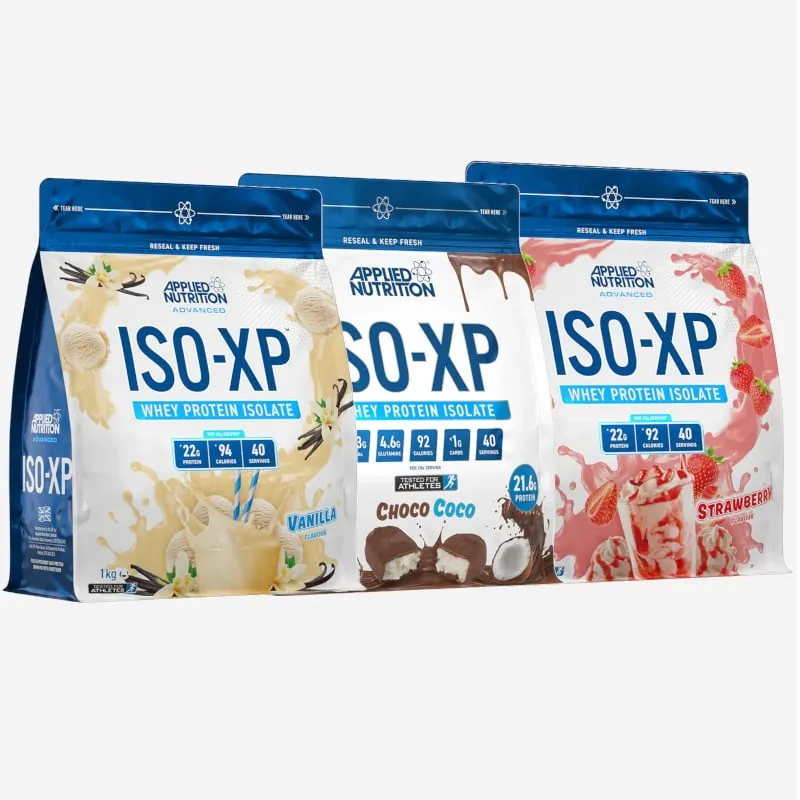
- Applied Nutrition ISO-XP: 22.5g of protein per 25g serving, with 0g sugar, carbs and fat and 0.1g of lactose. 40 servings for £39.99, about £1 each.
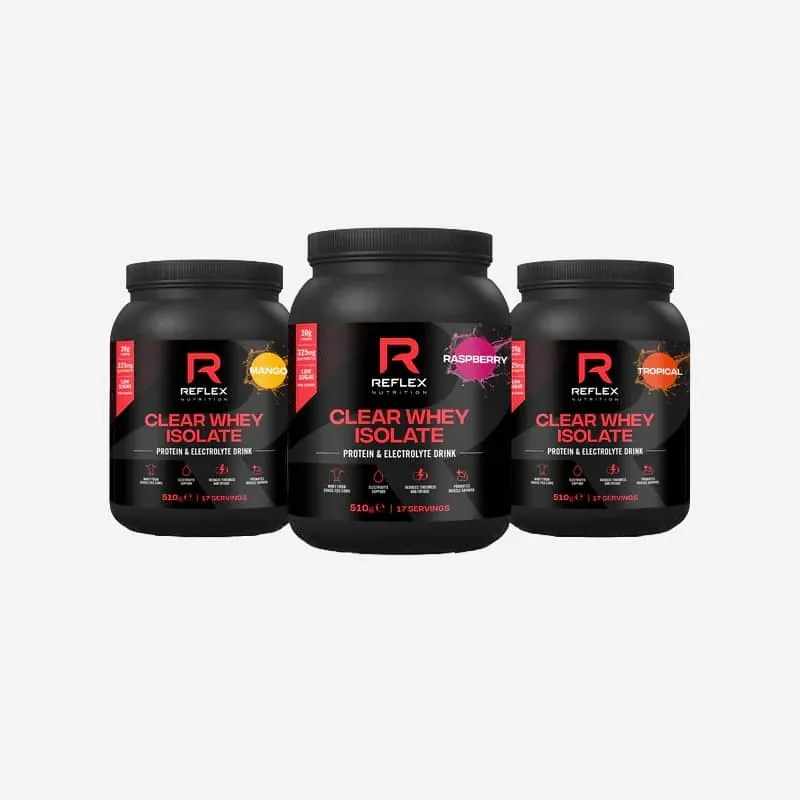
- Reflex Clear Whey Isolate: 20g of protein for around 90kcal per serving, mixed with cold water into a juice-style drink. 17 servings for £25.99, about £1.53 each, and a welcome change if you're tired of milky shakes.
Both contain milk. Our protein powder guide compares the other types, and you'll find more options under whey protein isolate.
Food swaps that make a deficit easier to live with
A diet is easier to stick with when it still includes food you enjoy. None of these do anything special; they simply let you keep flavour and favourite foods within your calories.
- Sauces. Sauces and dressings are an easy place for calories to hide, so read the per-100ml figures. Callowfit's Sweet Chilli has 25kcal and 0.7g of sugars per 100ml (3.75kcal per 15ml portion) because it's sweetened with sucralose instead of sugar; compare that with the bottle in your cupboard. It has 2.1g of salt per 100ml, so use it by the spoonful.
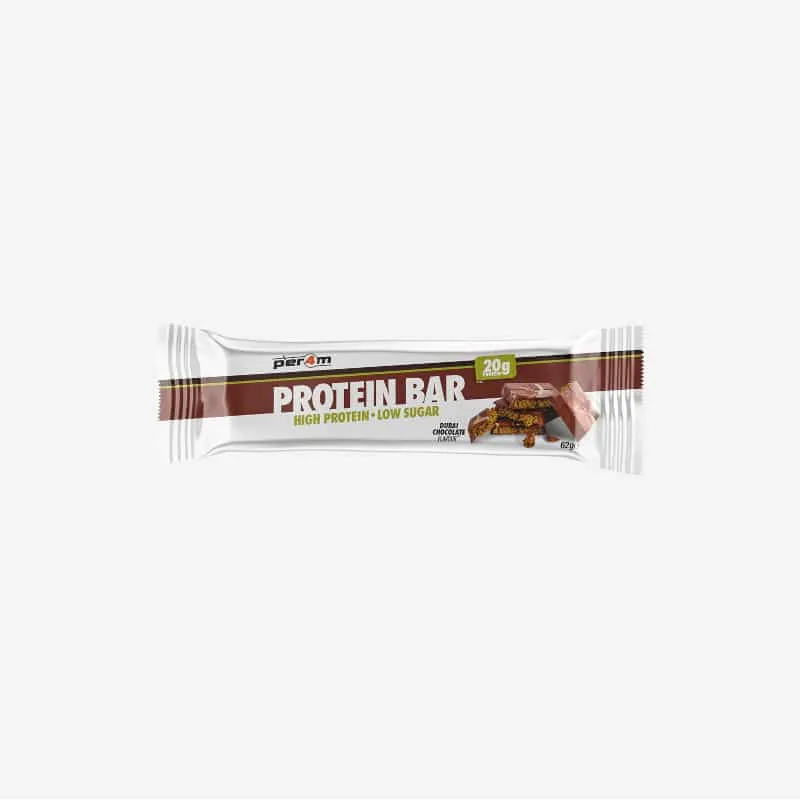
- Protein bars. Check the calories as well as the protein. The PER4M Dubai Chocolate bar gives 20g of protein in a 62g bar (check the wrapper for calories and allergens), while the 7Nutrition Seven bar gives 23g of protein and 290kcal. Think of a bar as a snack or small meal, and count it.
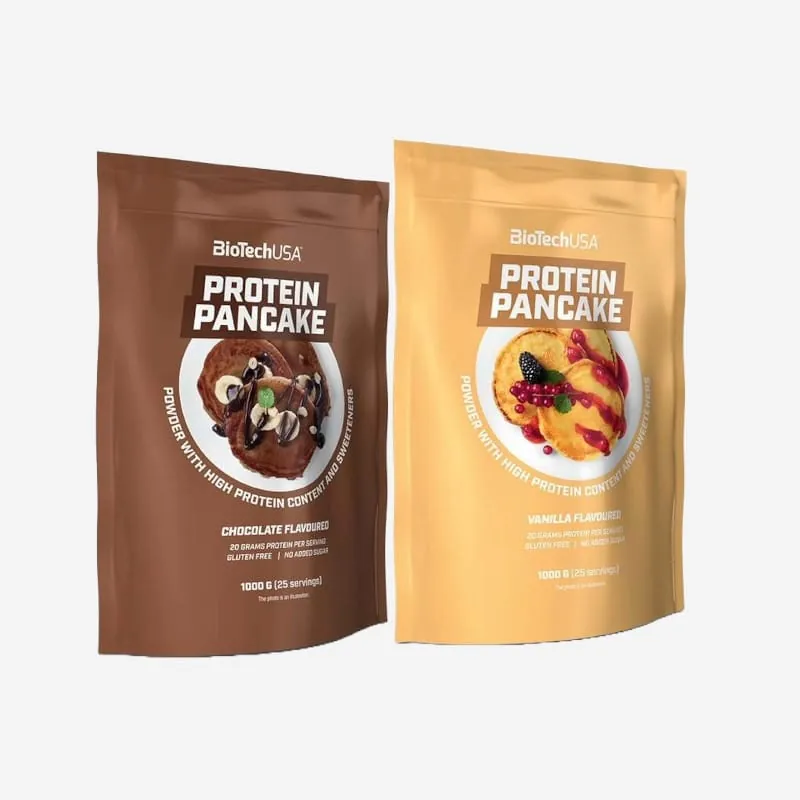
- Protein pancakes. BioTechUSA's Protein Pancake mix gives 20g of protein and 154kcal per 40g serving before you add milk or toppings, at 25 servings for £19.99 (about 80p each). It contains milk and egg, and makes an easy pudding or weekend breakfast.
- Drinks. The NHS suggests swapping sugary drinks for water, lower-fat milk or sugar-free drinks.
More ideas in our healthy food and snacks range.
Caffeine: what it can and can't do
Caffeine is the main active ingredient in stim pre-workouts and many "fat burners". Some people find it makes training feel easier, but responses vary a lot from person to person, and side effects become more common as the dose rises (Guest et al., 2021). There's no authorised claim that caffeine helps with fat loss.
If you use it:
- Keep your total within 400mg a day from all sources. EFSA says that level doesn't raise safety concerns for healthy adults who aren't pregnant, and nor do single doses of up to 200mg (EFSA, 2015).
- In pregnancy, the figure is 200mg a day (FSA).
- Count your drinks. A mug of instant coffee has around 100mg and a mug of tea around 75mg (FSA).
- Watch the timing. Even 100mg close to bedtime may affect sleep in some people (EFSA, 2015).
Our pre-workout guide covers caffeine labels in more detail.
What about "fat burners"?
We'd rather be straight with you:
- No stimulant or "thermogenic" ingredient is authorised to claim it causes fat loss in Great Britain. You can check the nutrition and health claims register on GOV.UK. Be wary of any product that suggests it can do the work of a diet.
- Many are built around caffeine, often from several sources and sometimes alongside other stimulants, so it's easy to go past 400mg a day once you add coffee or a pre-workout.
- They're not for everyone. Stimulant products aren't suitable for under-18s, during pregnancy or breastfeeding, or for anyone with a heart condition or high blood pressure. If you're sensitive to caffeine or take medication, speak to your GP or pharmacist first.
- They won't fix a diet that isn't in a deficit, and if your diet is in a deficit, that's what's doing the work.
If you're still interested, come and talk to us in our Reading shop, or get in touch, before buying one. We'll go through the label with you, add up the caffeine and tell you honestly whether we think it's worth it.
Safety note
If you're pregnant or breastfeeding, speak to your midwife or GP before changing your diet or taking supplements. If you take medication or have a medical condition, check with your GP or pharmacist first. Caffeinated supplements aren't suitable for under-18s. Check allergens: whey protein and the pancake mix contain milk, and the pancake mix also contains egg. And if dieting starts to take over how you think about food, talk to your GP.
FAQs
Do fat burners work?
Not in the way the name suggests. No stimulant or "thermogenic" ingredient is authorised to claim it causes fat loss in Great Britain; a calorie deficit does that work. Many are high in caffeine, so check the total before you buy.
How much weight should I aim to lose each week?
The NHS describes 0.5 to 1kg (1lb to 2lb) a week as a safe rate. If you're already lean, going a little slower may help you keep more muscle (Aragon et al., 2017).
Should I have protein shakes when I'm dieting?
If they help you reach your protein target within your calories, yes. Count them as food, like everything else you eat.
Can I drink coffee while dieting?
Yes, within 400mg of caffeine a day for healthy adults (200mg in pregnancy), counting every source. Avoid it close to bedtime.
Sources
- Aragon AA, et al. (2017). International Society of Sports Nutrition position stand: diets and body composition. JISSN, 14:16.
- Helms ER, Aragon AA, Fitschen PJ (2014). Evidence-based recommendations for natural bodybuilding contest preparation: nutrition and supplementation. JISSN, 11:20.
- Jäger R, et al. (2017). International Society of Sports Nutrition Position Stand: protein and exercise. Journal of the International Society of Sports Nutrition, 14:20.
- Guest NS, et al. (2021). International Society of Sports Nutrition position stand: caffeine and exercise performance. JISSN, 18:1.
- EFSA Panel on Dietetic Products, Nutrition and Allergies (2015). Scientific Opinion on the safety of caffeine. EFSA Journal, 13(5):4102.
- Food Standards Agency: Caffeine guidance
- NHS: Healthy weight / Better Health: Lose weight
- NHS: Water, drinks and your health / Eatwell Guide
- GOV.UK: Great Britain nutrition and health claims (NHC) register
Who wrote this
6 Pack Supplements team at our Reading store.
Not medical advice
This guide is general information. Speak to your GP or pharmacist before taking supplements if you're pregnant, take medication or have a medical condition.