
Vitamins & Health Supplements
Everyday vitamins and minerals (vitamin D, magnesium, omega 3 and multivitamins) plus collagen, joint formulas, mushrooms and adaptogens, from 7Nutrition, BioTechUSA, ALLNUTRITION, Good Guru and more. Most people get what they need from a varied diet; vitamin D is the one UK government advice suggests everyone consider in autumn and winter.


85 products
View
Products
-
-
−33%
-
-
-
-
-
-
-
Low stock
-
-
-
-
-
Low stock
-
−21%
-
-
−10%
-
−10%
-
-
Universal Nutrition
Universal Nutrition Animal Flex Joint Care 44 Packs
44 packs · 44 servings
£49.99
-
−14% Out of stockNotify me when back: Sodium Butyrate 580mg 100caps 7Nutrition
-
-
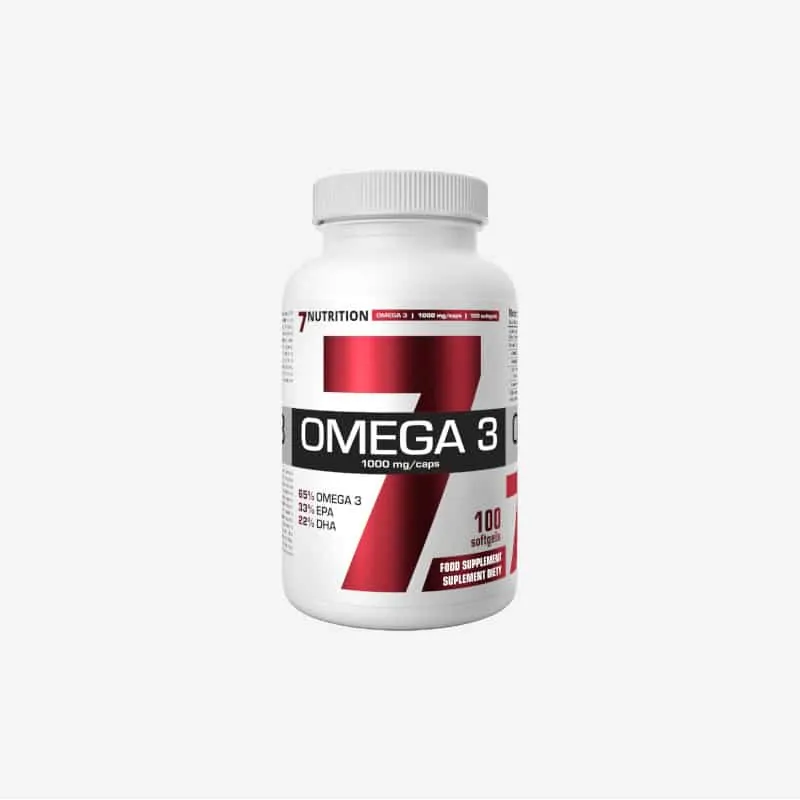
Out of stockNotify me when back: Omega 3 100 capsules 7Nutrition
-
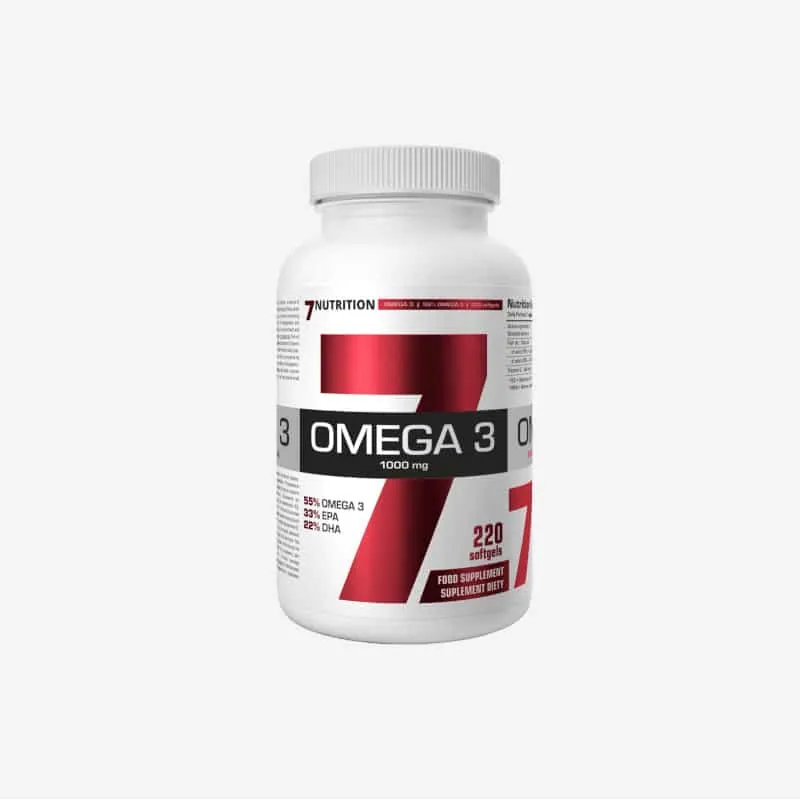
Out of stockNotify me when back: Omega 3 200 capsules 7Nutrition
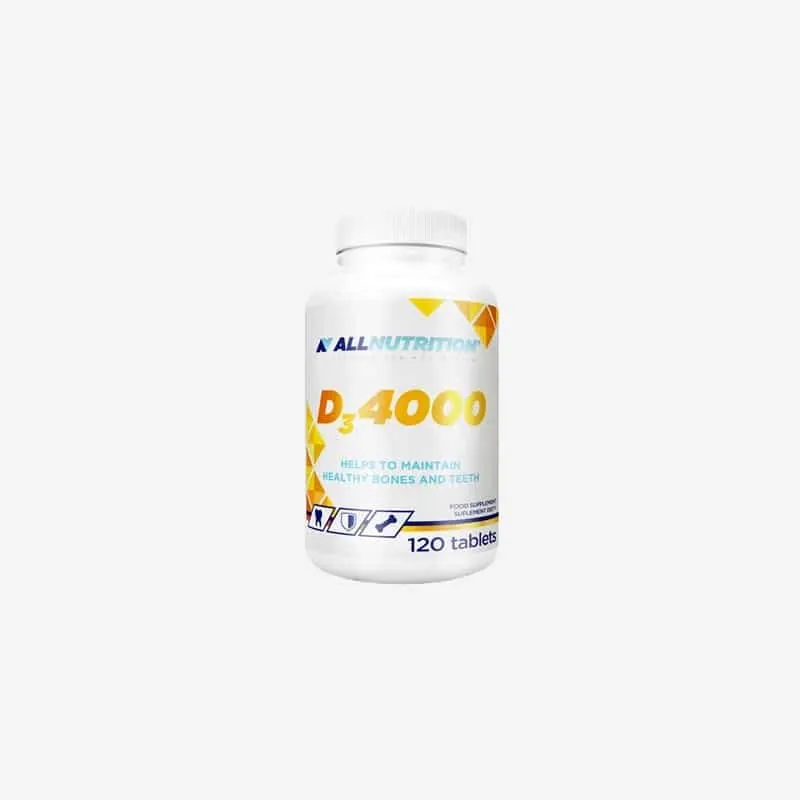
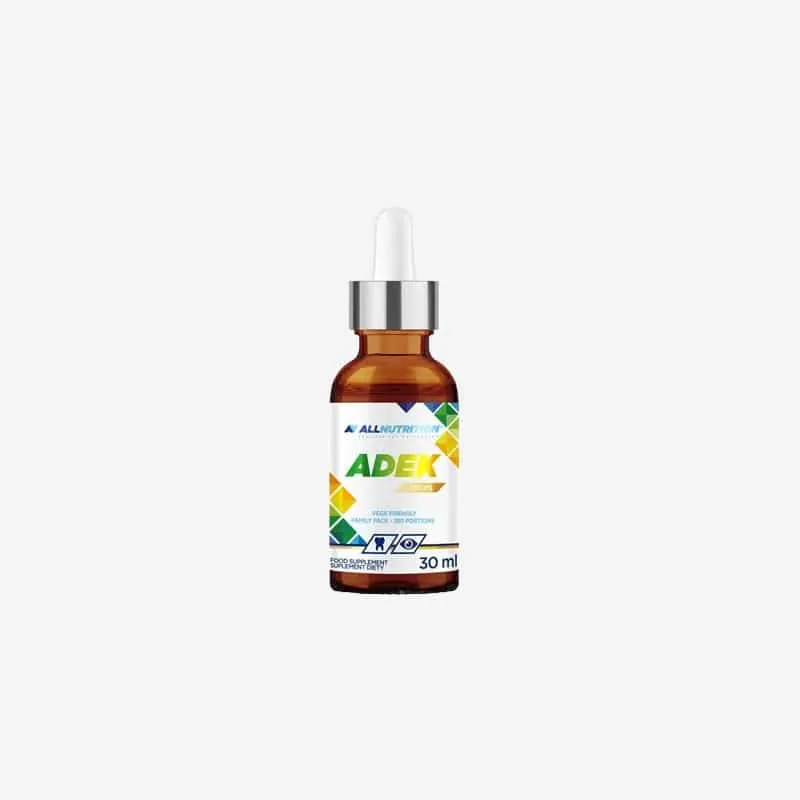
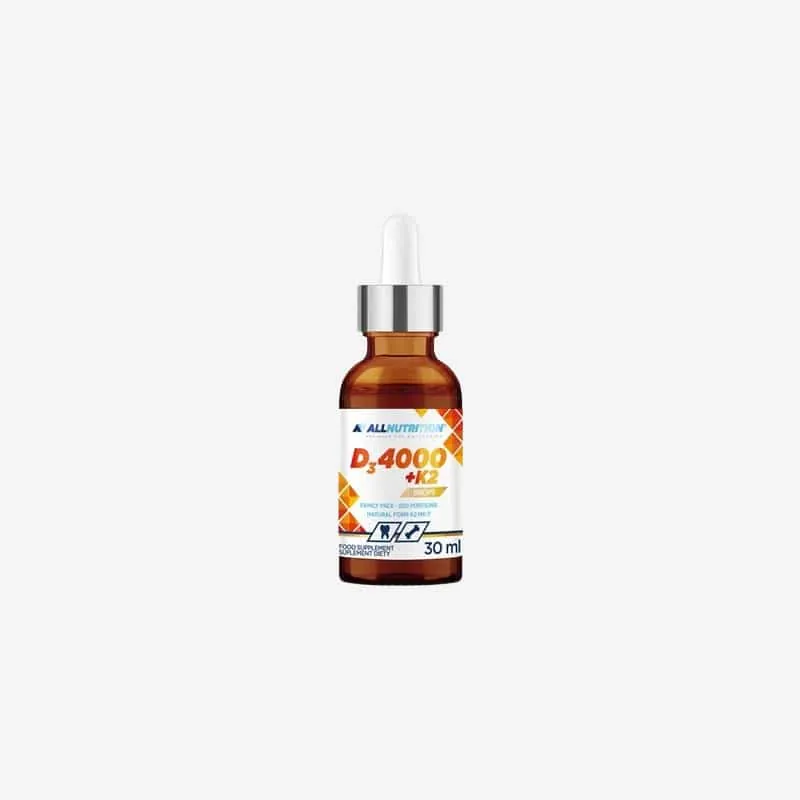
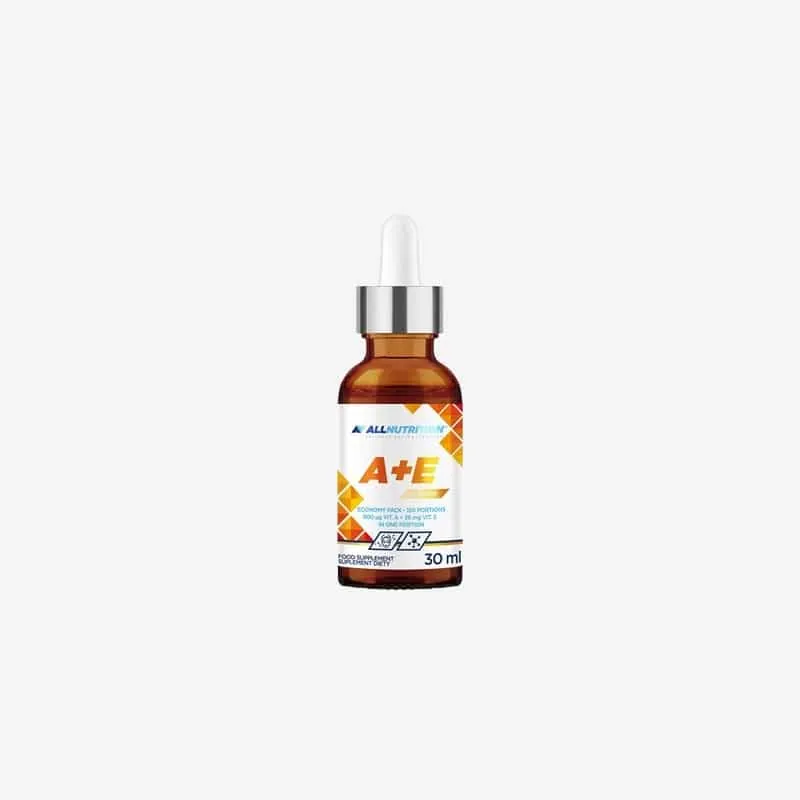
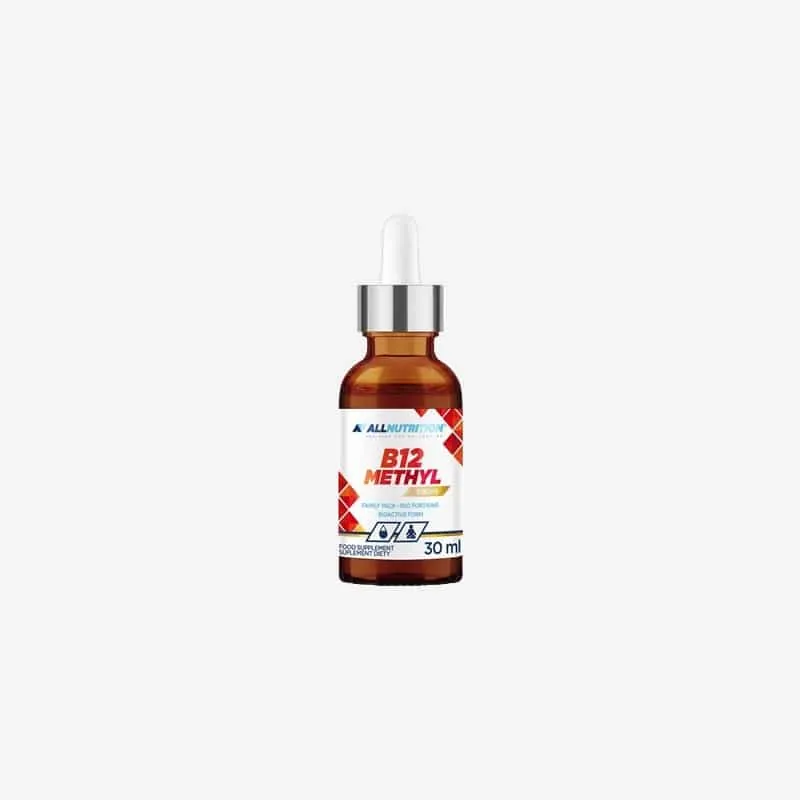
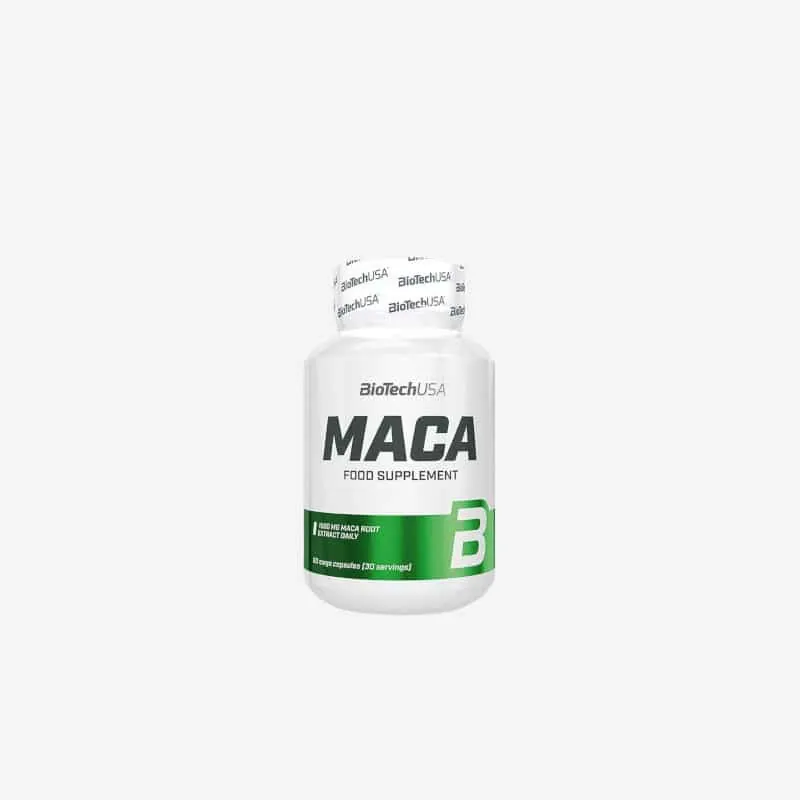
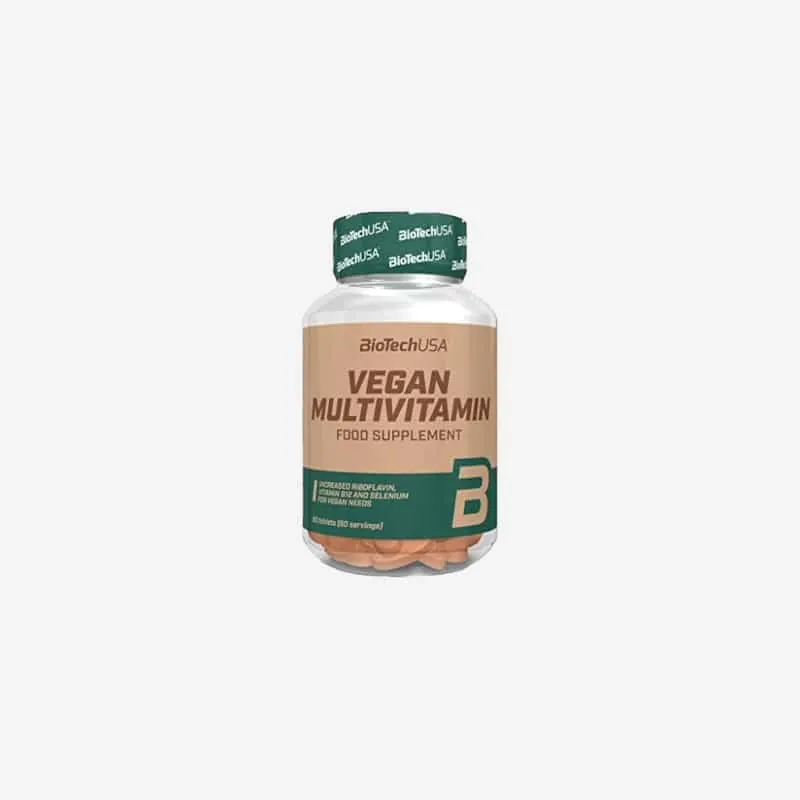
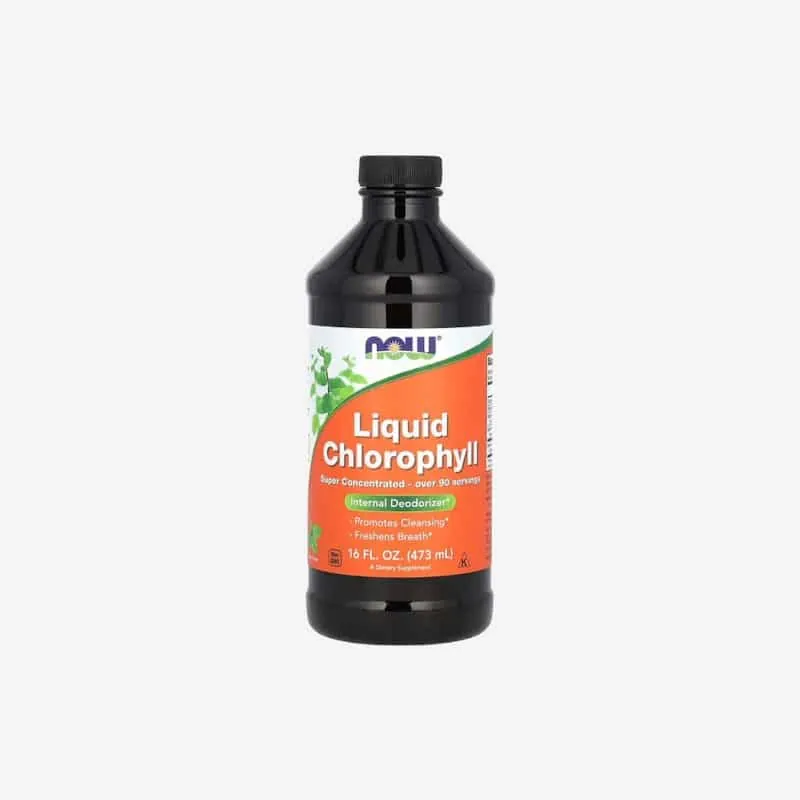
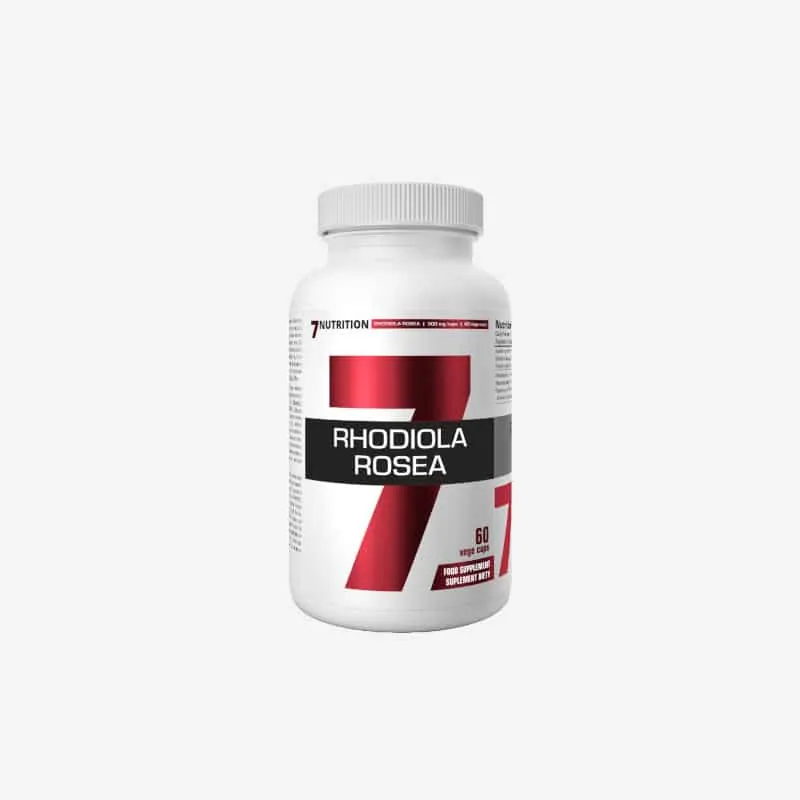
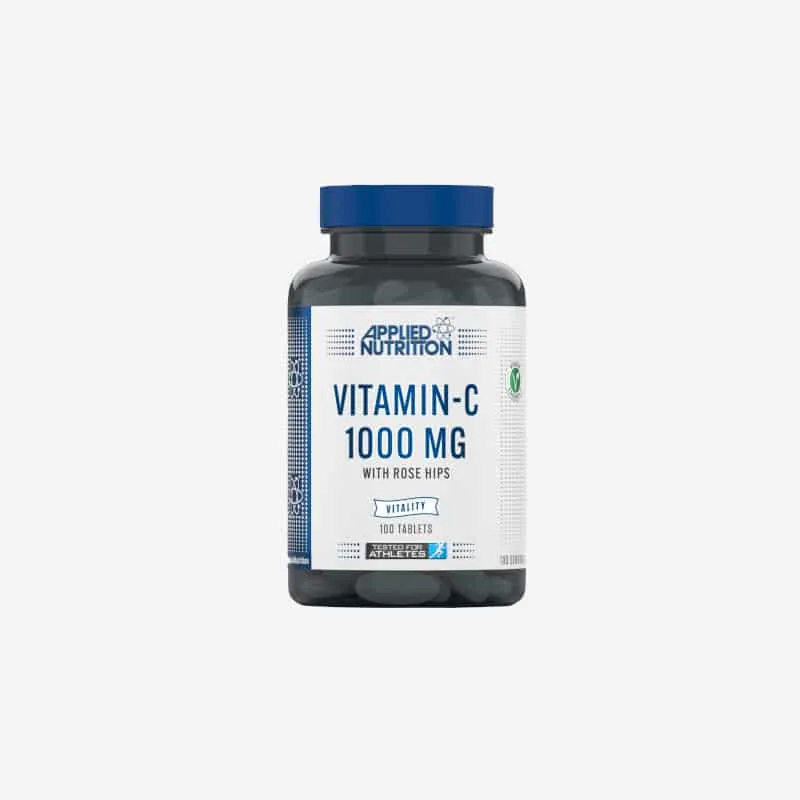
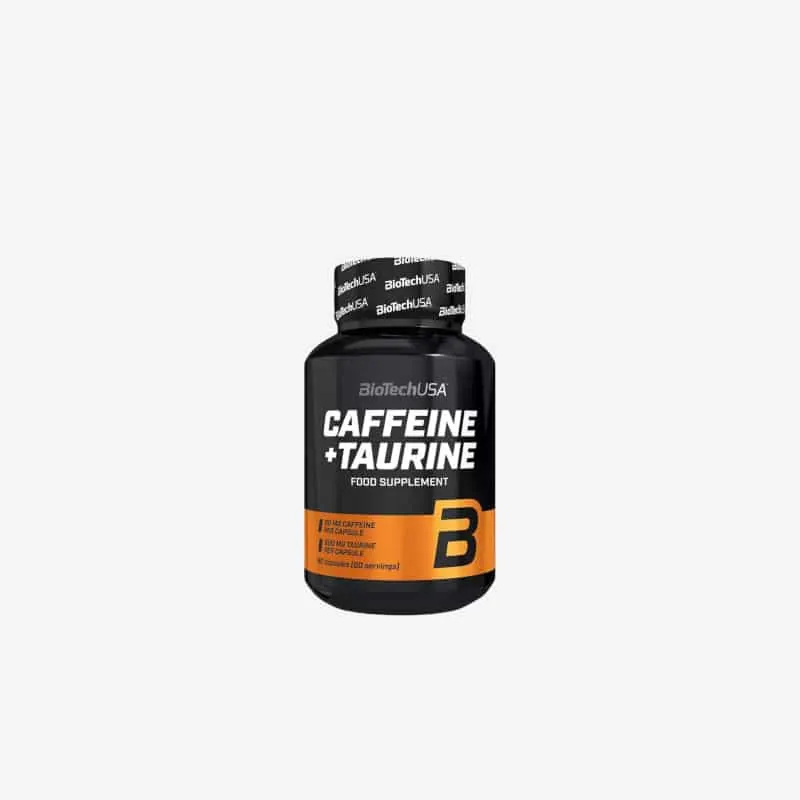
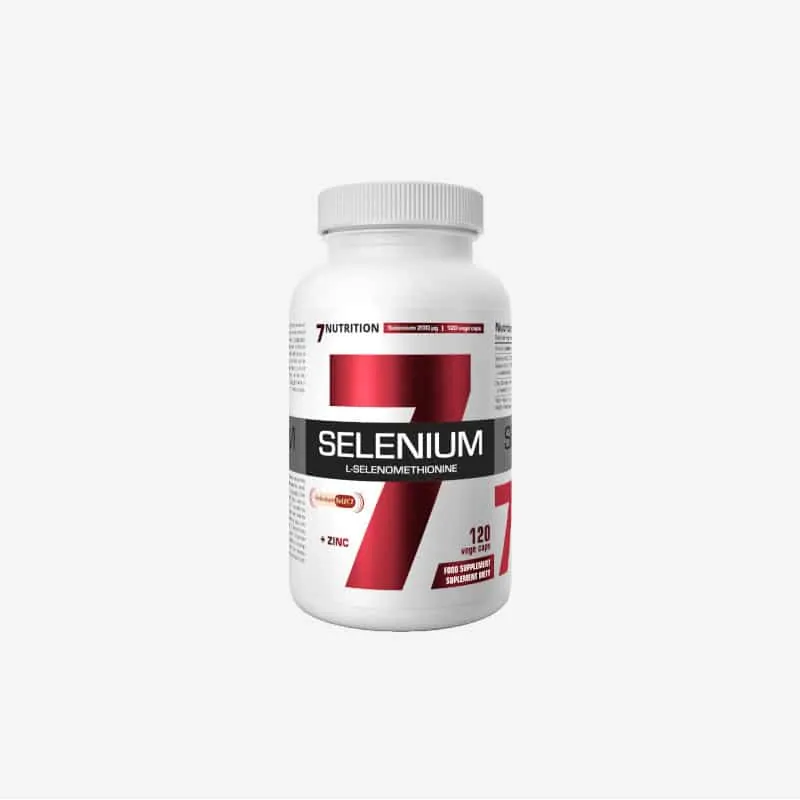
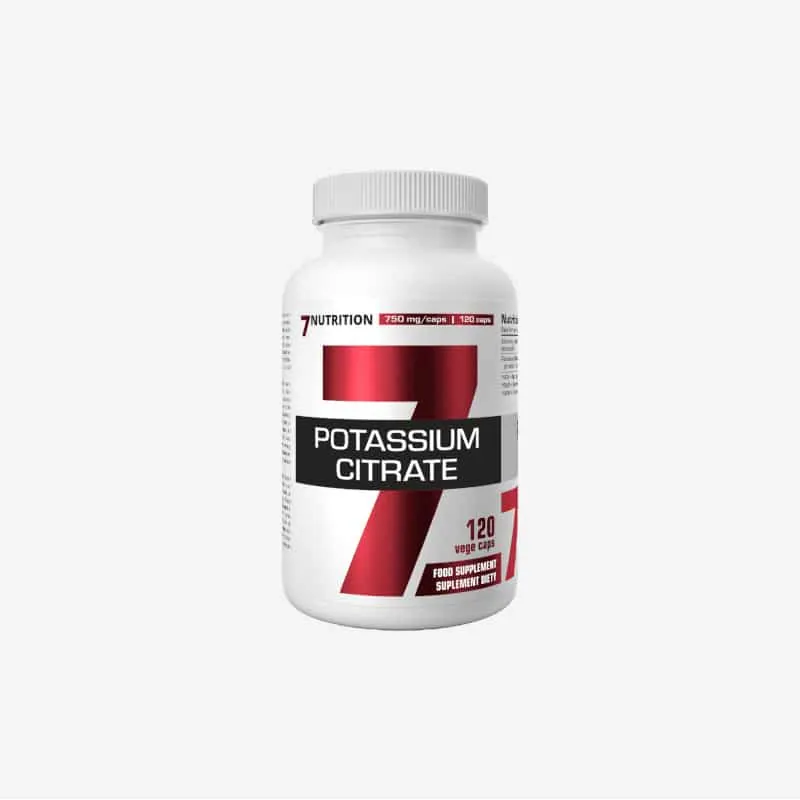
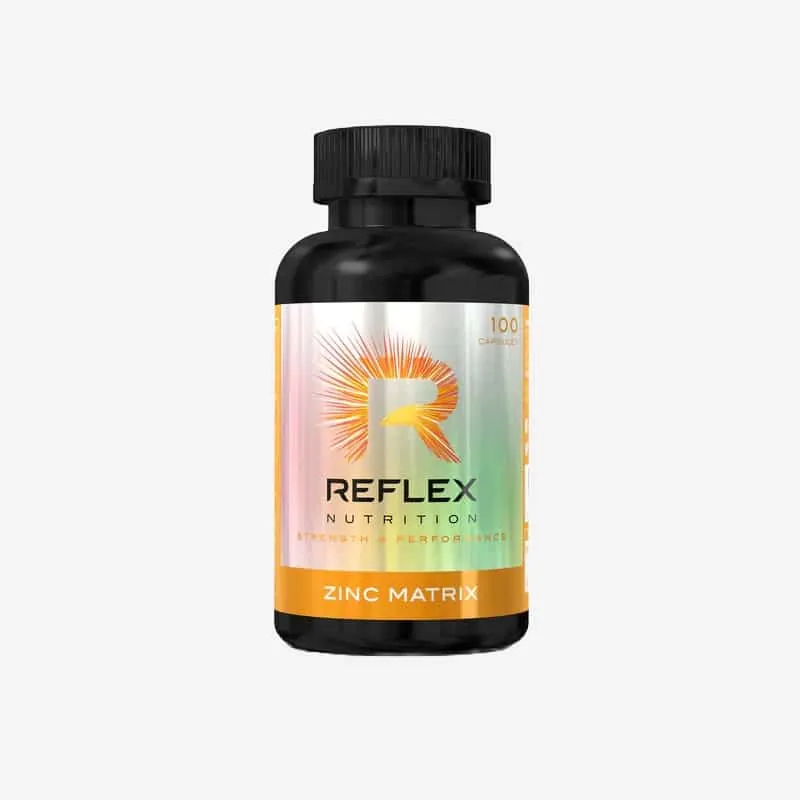
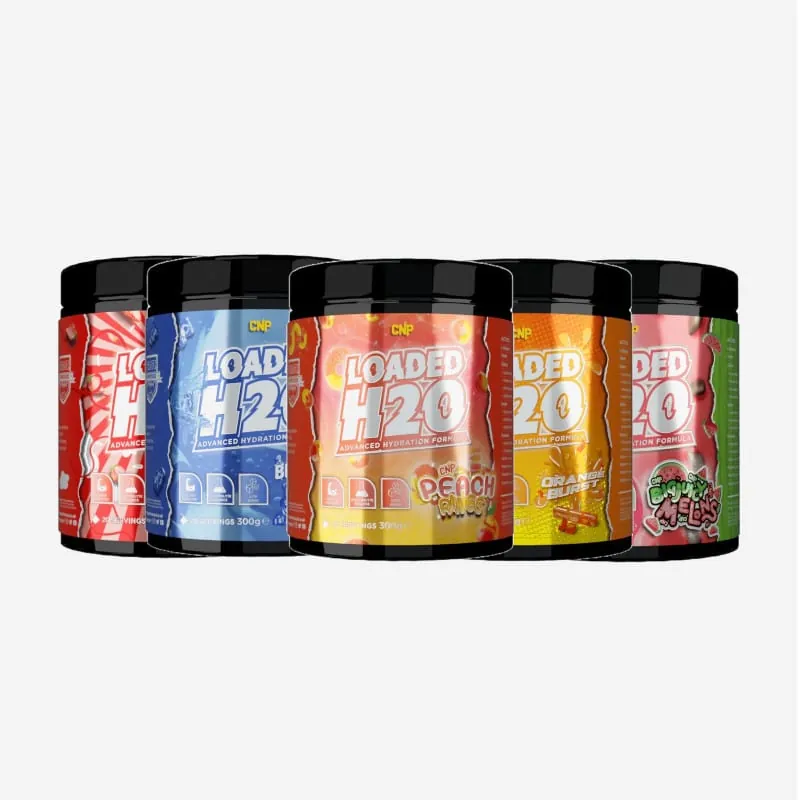
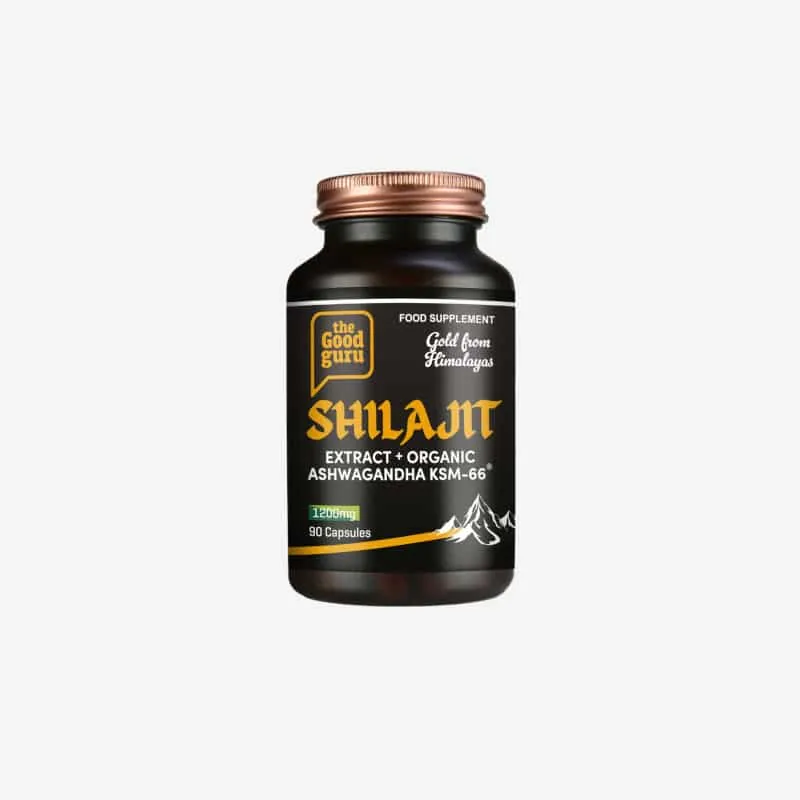
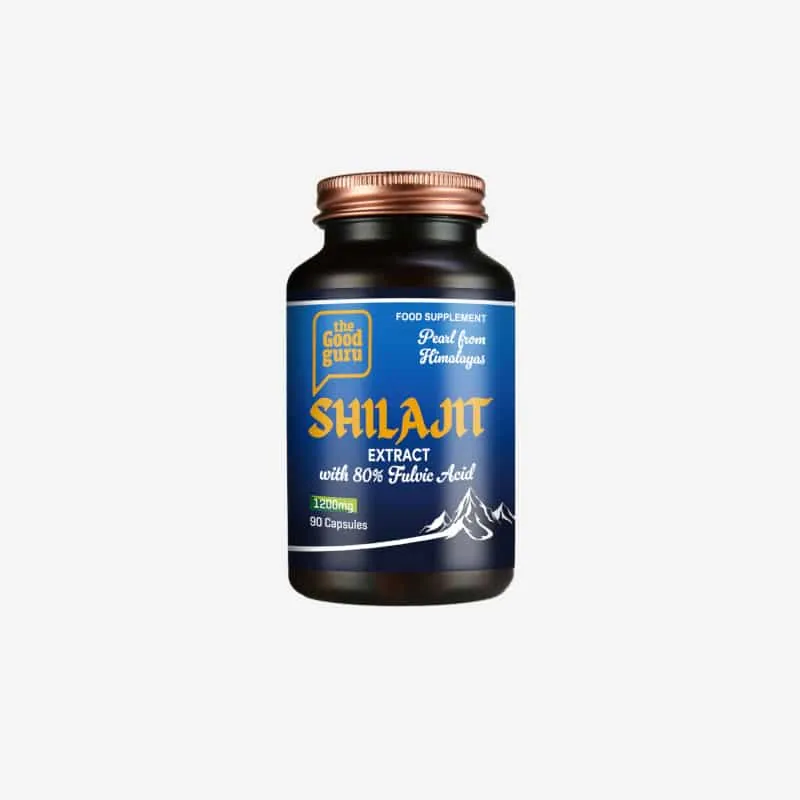
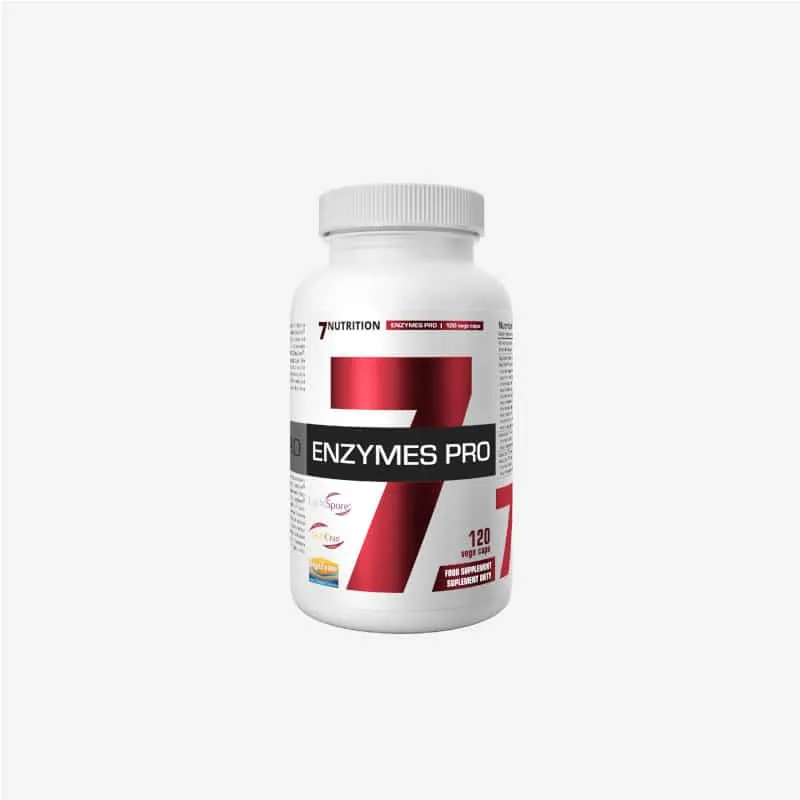

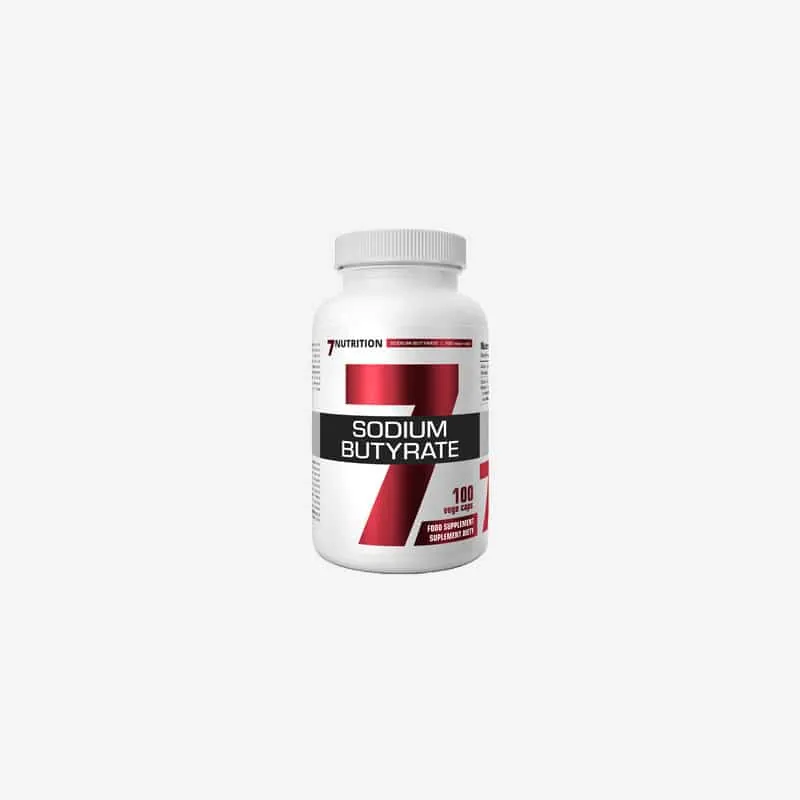
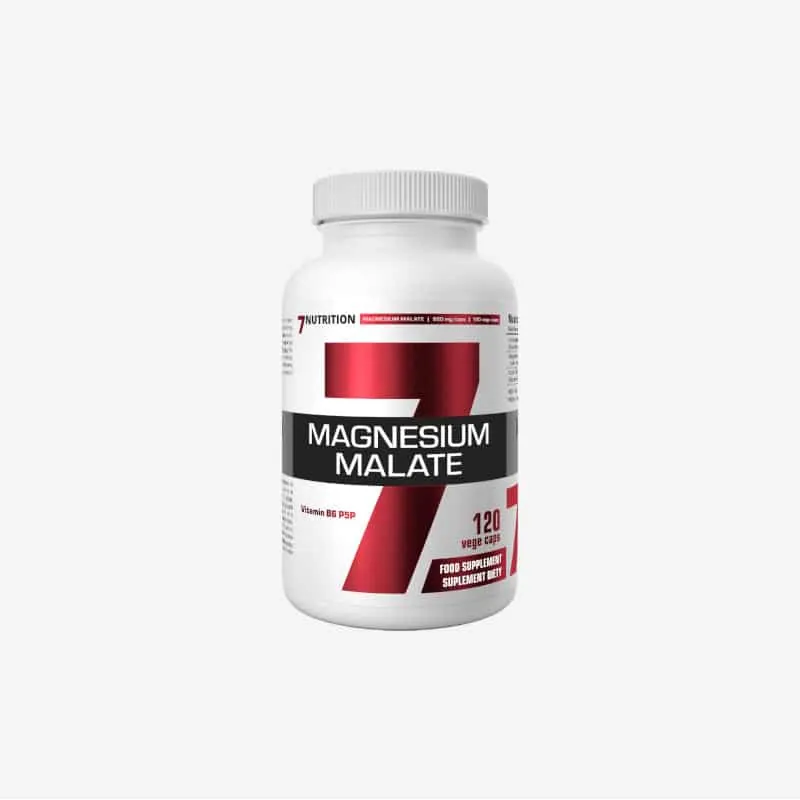
Showing 49–72 of 85
Load moreFilter & sort
Buying guide
Choosing the right Vitamins & Health

Where to start
UK government advice is that everyone should consider a daily vitamin D supplement during autumn and winter. Magnesium and omega 3 are popular additions for active people.
Vitamin D contributes to the maintenance of normal bones and muscle function.
Tablets, capsules or drops?
Tablets and capsules are the simplest way to take a set dose. Drops suit anyone who struggles with tablets and make it easy to adjust the amount: check the dose per drop. Softgels hold oils such as vitamin D3 and omega 3.
Don't double up
If you take a multivitamin, check what’s already in it before adding single vitamins, especially vitamin D, vitamin A and iron. Keep to the dose on the label, and speak to a pharmacist if you take medication.
FAQs
Vitamins & Health: your questions answered
Should I take vitamin D all year?
UK government advice is that everyone should consider a daily 10 microgram vitamin D supplement in autumn and winter, and all year round if you rarely get sunlight on your skin. Check with your GP or pharmacist if you’re unsure.
Do I need a multivitamin?
Not if you eat a varied diet. A multivitamin is a convenient back-up if your diet is limited, but it isn’t a substitute for food.
How high a dose should I take?
Stick to the dose on the label and avoid taking the same vitamin in more than one product. The NHS advises adults not to take more than 100 micrograms (4,000 IU) of vitamin D a day unless a doctor recommends it.
Can I take supplements if I'm pregnant or on medication?
Speak to your GP, midwife or pharmacist first: some vitamins and botanicals aren’t suitable in pregnancy or alongside certain medicines.