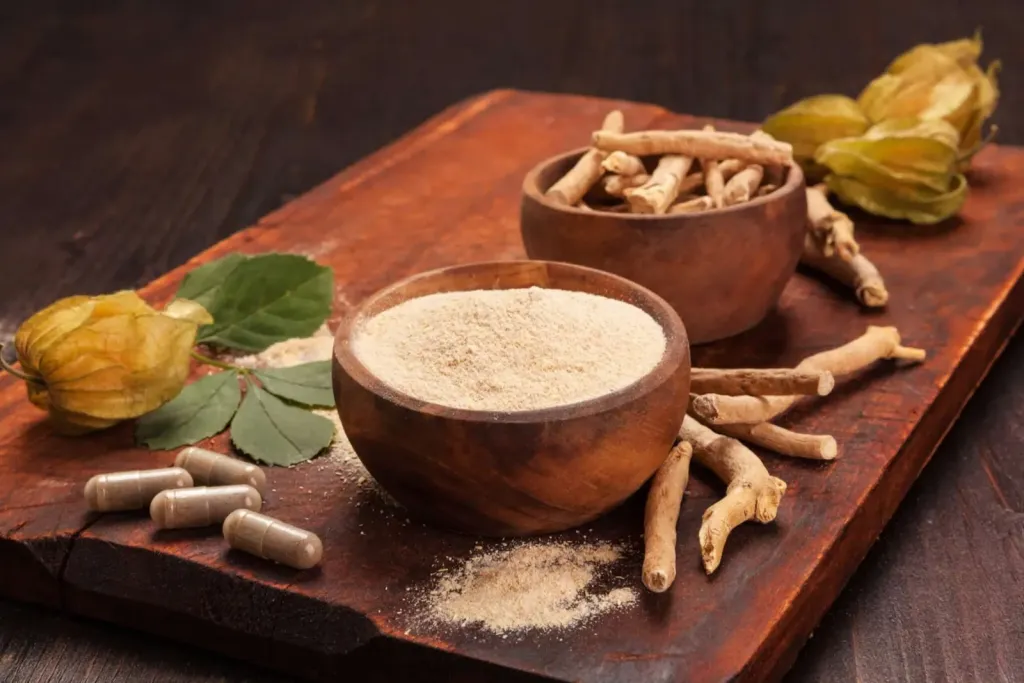
Ashwagandha is an extract of the root of Withania somnifera, a plant with a long history in Ayurvedic practice, and it's popular with people who train. A few small trials have looked at it, but the evidence is limited and no health claims for ashwagandha are authorised in the UK. If you want to try it, follow the label and read the safety notes first, because it isn't suitable for everyone.
What ashwagandha is
Ashwagandha (Withania somnifera, also called Indian ginseng or winter cherry) is a small shrub in the nightshade family. Supplements are usually made from the root and standardised to withanolides, a group of compounds found naturally in the plant.
You'll often see it described as an "adaptogen". That's a traditional label, not a health claim. There are no authorised claims for ashwagandha on the GB nutrition and health claims register.
What is KSM-66?
KSM-66 is a branded, root-only extract made by Ixoreal Biomed and standardised to at least 5% withanolides. It's the extract used in both trials below. That matters, because results from one extract don't automatically apply to another.
What the research has looked at
Two placebo-controlled KSM-66 trials are quoted more than any others. Here's what they involved.
| Wankhede et al. (2015) | Chandrasekhar et al. (2012) | |
|---|---|---|
| Who took part | 57 men aged 18–50 with little lifting experience (50 finished) | 64 adults (41 men, 23 women) who reported high stress |
| Dose and length | 300mg twice a day for 8 weeks, alongside a training programme | 300mg twice a day for 60 days |
| What was measured | Strength, muscle size and creatine kinase, a blood marker of muscle damage | Perceived Stress Scale scores, other questionnaires and blood cortisol |
| Main limits | Small, young untrained men, short, one extract | Small, one clinic, self-reported answers, no athletes |
Strength and recovery: Wankhede et al. (2015)
Both groups got stronger over the eight weeks, as beginners do. The authors reported larger improvements in the ashwagandha group on most measures, including one-rep max on the bench press and leg extension. They used creatine kinase to judge recovery, and they call for longer studies, including in women and older adults. It tells us little about trained athletes.
Perceived stress scores: Chandrasekhar et al. (2012)
The main measure was the Perceived Stress Scale, a ten-item questionnaire. The authors reported lower scores in the ashwagandha group than in the placebo group after 60 days. The study didn't look at training or performance at all.
Taken together, two small trials of one extract are a starting point for research. They don't show that a supplement will do the same for you.
How people take it
Ashwagandha is usually sold as root-extract capsules or powder. The Good Guru KSM-66 capsules we stock contain 500mg per capsule, and the label says one capsule a day with food.
Both trials used 300mg twice a day. That was a research protocol, not a recommendation, so follow the directions on the product you buy and don't exceed them. If you compete in drug-tested sport, check with your governing body and choose batch-tested products.
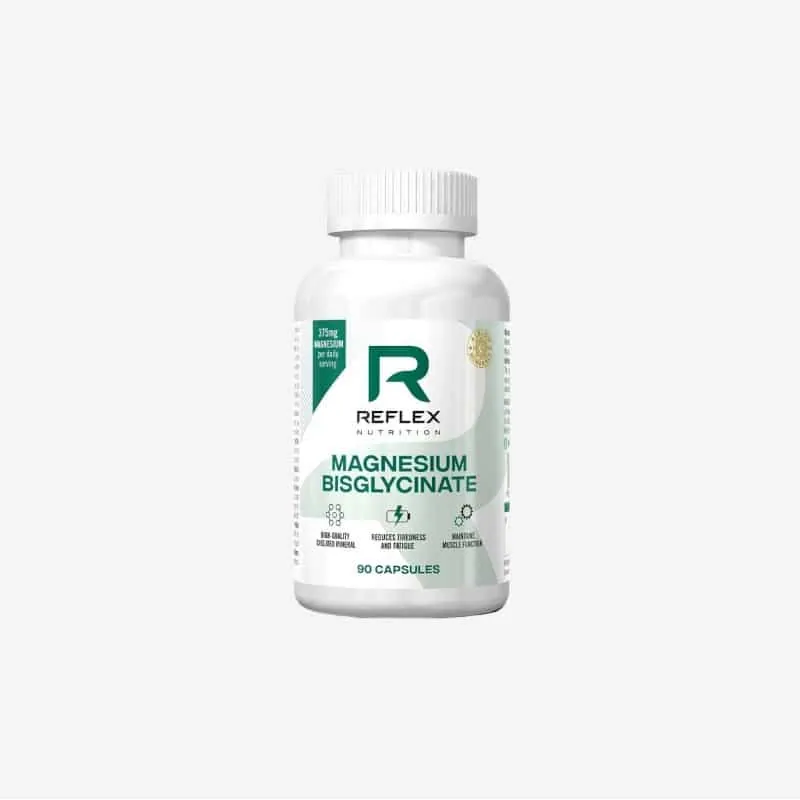
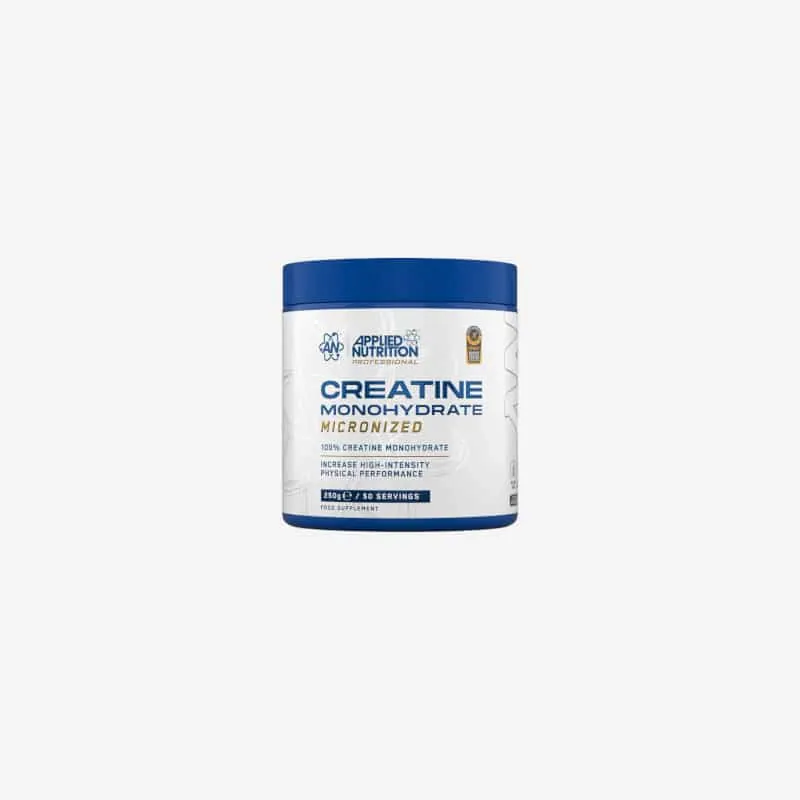
If you'd rather choose something with an authorised claim, two supplements are worth knowing about. "Creatine increases physical performance in successive bursts of short-term, high-intensity exercise." The effect is seen with a daily intake of 3g. And "Magnesium contributes to a reduction of tiredness and fatigue."
Safety: who should be careful
Don't take ashwagandha if you're pregnant, breastfeeding or under 18. Speak to your GP or pharmacist before trying it if you:
- have a thyroid condition or take thyroid medication
- have an autoimmune condition
- take sedatives or any other regular medication
- have a liver condition
There have been rare reports of liver problems in people taking ashwagandha supplements. Stop taking it and get medical advice if you notice yellowing of your skin or eyes, dark urine or itchy skin. Avoid it if you know you react to plants in the nightshade family.
FAQs
Will ashwagandha make me stronger?
No supplement can promise that, and there are no authorised claims for ashwagandha. One small trial in men new to lifting reported larger strength gains than placebo, but that isn't enough to say it will work for you. Your training and diet matter far more.
Is KSM-66 different from other ashwagandha?
It's a specific branded root extract with a set withanolide level, and it's the one used in the trials above. Other extracts may be made differently, so study results don't transfer automatically.
How long can I take it for?
The trials above lasted about two months, so there's little data on long-term use. Follow the label, and speak to your GP if you plan to take it for longer.
Sources
- Wankhede S, et al. (2015). Examining the effect of Withania somnifera supplementation on muscle strength and recovery: a randomized controlled trial. JISSN, 12:43.
- Chandrasekhar K, et al. (2012). A prospective, randomized double-blind, placebo-controlled study of safety and efficacy of a high-concentration full-spectrum extract of ashwagandha root in reducing stress and anxiety in adults. Indian Journal of Psychological Medicine, 34(3):255–262.
- GOV.UK: Great Britain nutrition and health claims (NHC) register
Who wrote this
6 Pack Supplements team at our Reading store.
Not medical advice
This guide is general information. Speak to your GP or pharmacist before taking supplements if you're pregnant, take medication or have a medical condition.