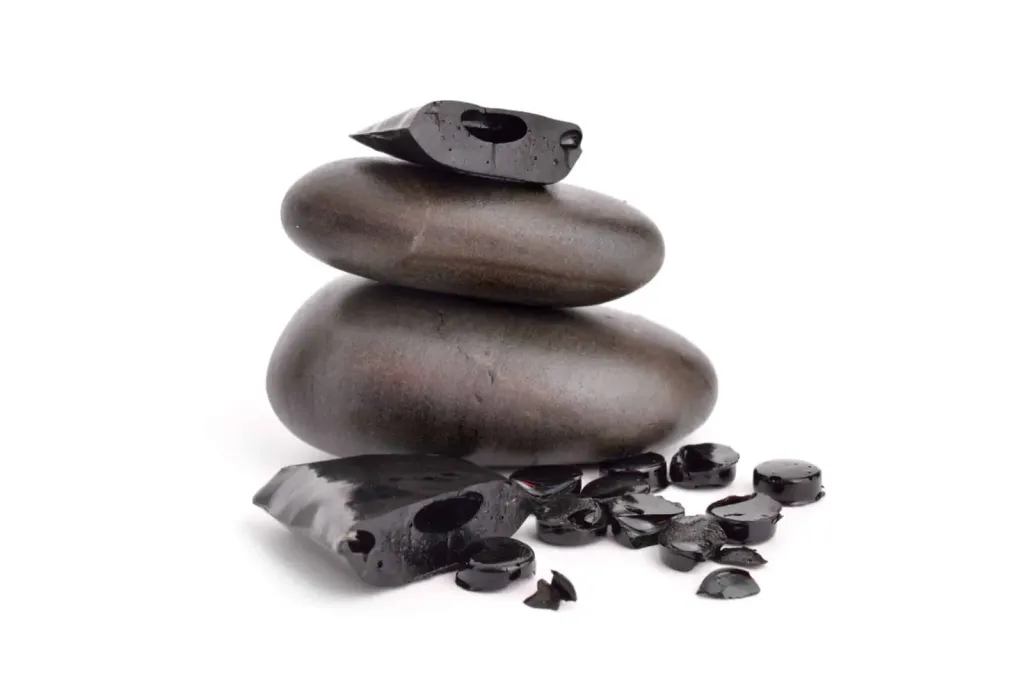
Shilajit is a sticky, tar-like resin that seeps from rock in high mountain ranges such as the Himalayas, and it has a long history in Ayurvedic practice. Human research on it is very limited, and no health claims for shilajit are authorised in the UK. If you do buy it, quality is the thing to get right: choose a reputable brand that tests for heavy metals.
What shilajit is
Shilajit is a dark resin collected from mountain rock, mainly in the Himalayas and other high ranges. It's thought to form over centuries as plant matter breaks down. Its make-up includes fulvic acid and minerals, and varies a lot depending on where it comes from and how it's processed.
That variability is the main reason to be choosy about what you buy. You'll see plenty of bold promises about shilajit online; none of them is an authorised health claim.
Resin or capsules?
| Resin | Capsules or powder | |
|---|---|---|
| What you get | Purified shilajit in a small jar | A dried extract in measured amounts |
| How it's used | A pea-sized amount dissolved in a warm drink | Swallowed with water, as the label directs |
| Dose accuracy | Approximate: you judge the amount | The same amount every time |
| What to check | Heavy-metal testing and clear serving guidance | Heavy-metal testing and what else is in the capsule |
Neither format has been shown to be better. Resin is closer to the traditional form, while capsules are easier to measure.
Quality and heavy-metal testing
Because shilajit is a natural, mineral-rich material, raw or poorly purified products can contain contaminants, including heavy metals such as lead. Purification and batch testing matter far more than the story on the label.
Before you buy:
- choose a reputable brand that tests for heavy metals and can share the results, such as a certificate of analysis
- be wary of very cheap resin, vague sourcing or no serving guidance
- if you compete in drug-tested sport, choose batch-tested products and check with your governing body
Good Guru states that its Pearl Shilajit Resin, which we stock, is tested for heavy metals and quality.
What the research measured: Pandit et al. (2016)
The study most often quoted is a randomised, double-blind, placebo-controlled trial published in the journal Andrologia. Healthy men aged 45 to 55 took 250mg of a purified shilajit extract or a placebo twice a day for 90 days.
Researchers measured hormones in the blood: total and free testosterone, DHEAS, and two pituitary hormones, LH and FSH. The authors reported differences between the groups in some of these markers.
What it doesn't tell you:
- It's one trial of one purified extract, so the results may not apply to other resins or capsules.
- It only included healthy men aged 45 to 55, so no women and no younger athletes.
- It measured blood markers, not strength, performance, recovery or how anyone felt.
- It lasted 90 days, so it says nothing about longer-term use.
One study on its own is a starting point, not proof. With no authorised claims for shilajit, we can't tell you it will change anything for you, and this trial couldn't show that either.
How people use it
Good Guru's label gives one daily serving of 300–500mg, roughly the size of a pea, dissolved in warm water, milk or herbal tea, and suggests a wooden or plastic spoon rather than a metal one. A 30g jar holds about 60 servings. With capsules, simply follow the label.
Start at the lower end of the label range and never go above it.
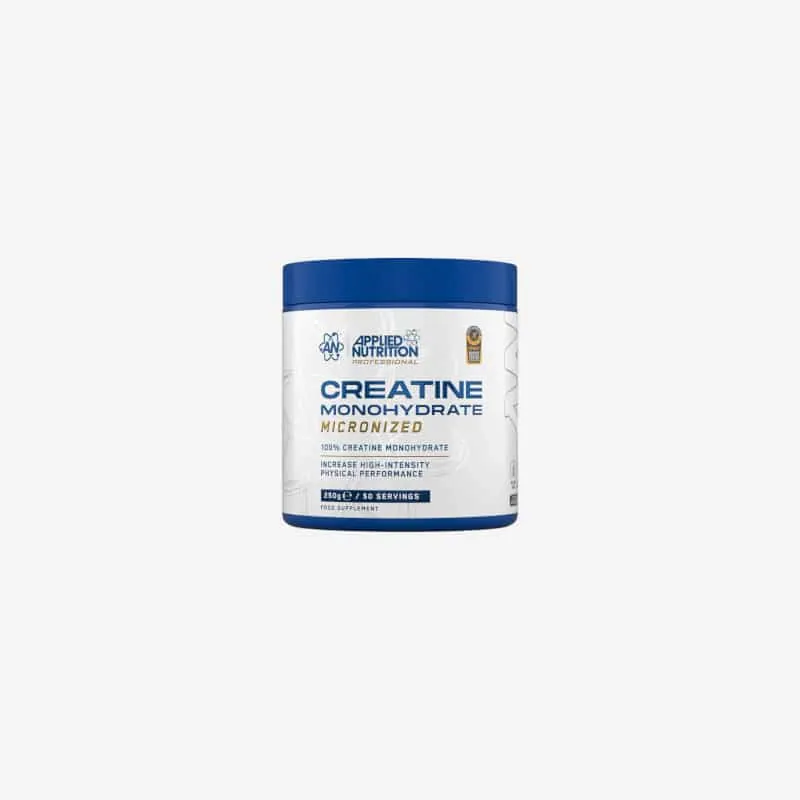
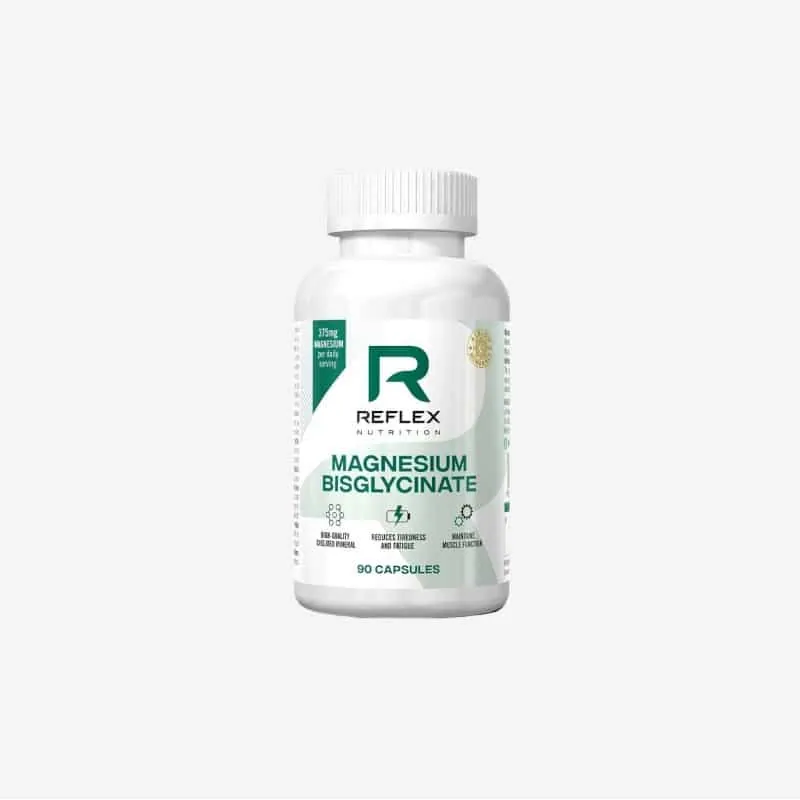
If you want something with an authorised claim behind it, there are two obvious options. "Creatine increases physical performance in successive bursts of short-term, high-intensity exercise." The effect is seen with a daily intake of 3g. And "Magnesium contributes to a reduction of tiredness and fatigue."
Safety
- Don't take shilajit if you're pregnant, breastfeeding or under 18.
- Speak to your GP or pharmacist first if you take any medication or have a medical condition.
- Stop taking it and get advice if you feel unwell.
- It's a food supplement, not a substitute for a varied, balanced diet.
FAQs
Is shilajit resin better than capsules?
Neither has been shown to be better. Resin is closer to the traditional form and capsules give a consistent amount. Whichever you choose, testing matters more than format.
How can I tell if shilajit is good quality?
You can't tell by looking. Buy from a brand that tests each batch for heavy metals and can share the results, and avoid products with vague sourcing.
Is shilajit worth it for athletes?
There are no authorised claims for shilajit, and human research is very limited. The most-quoted trial measured hormone markers in men aged 45 to 55, not sports performance, so it can't tell you anything about your training.
Sources
- Pandit S, et al. (2016). Clinical evaluation of purified Shilajit on testosterone levels in healthy volunteers. Andrologia, 48(5):570–575.
- GOV.UK: Great Britain nutrition and health claims (NHC) register
Who wrote this
6 Pack Supplements team at our Reading store.
Not medical advice
This guide is general information. Speak to your GP or pharmacist before taking supplements if you're pregnant, take medication or have a medical condition.